Sesame oil production is a carefully organized transformation that converts tiny, nutrient-rich seeds into a stable and flavorful liquid valued across culinary traditions. Although the finished oil appears simple, its clarity and aroma are the outcomes of numerous coordinated stages that protect quality while maximizing recovery. Each step builds on the previous one, and small adjustments in handling can influence taste, shelf life, and consumer acceptance. The process therefore combines agricultural knowledge, mechanical engineering, and food science, linking farmers who harvest the crop with households and industries that depend on reliable performance.
The pathway begins with procurement and inspection. Sesame seeds arrive from farms carrying variations in moisture, size, and purity. Quality teams evaluate these characteristics because the presence of stones, dust, immature grains, or foreign materials can interfere with machinery and affect flavor later. Sampling ensures that only suitable lots enter the system. This early vigilance is essential for maintaining consistency in large-scale operations where thousands of kilograms may move each hour.
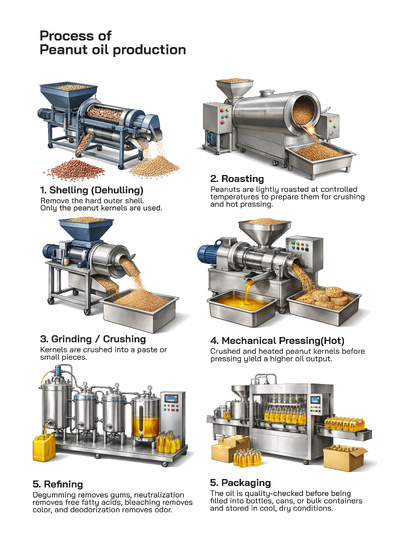
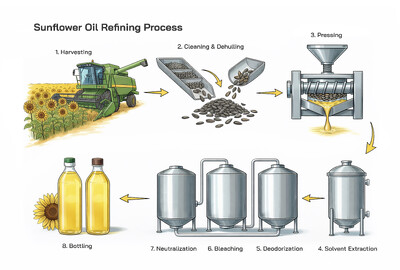
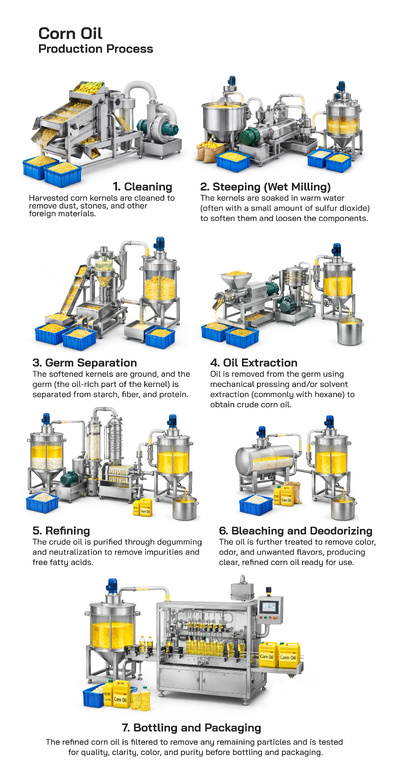
Cleaning follows immediately. Vibrating sieves, air aspirators, and magnetic devices remove unwanted matter, producing a uniform stream of seeds ready for processing. Clean input protects equipment from wear and ensures that downstream treatments act on the intended material. Because sesame seeds are small, precision is crucial; even minor contamination can influence appearance and safety.
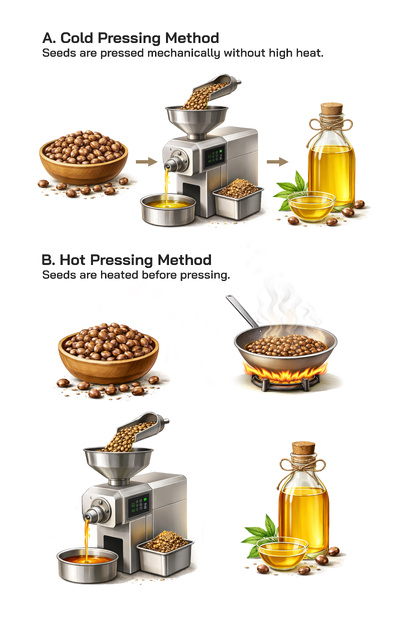
After cleaning, many processors introduce conditioning. Moisture and temperature adjustments prepare the seeds for efficient oil release. Gentle heating softens cellular structures, allowing lipids to flow more freely during pressing. The degree of heat depends on the type of oil desired. Some markets value delicate, lightly treated oils, while others prefer deeper roasted notes. Operators therefore calibrate conditions carefully, recognizing that aroma is one of sesame oil’s defining qualities.
In certain traditions, roasting becomes a distinctive stage rather than simple conditioning. Seeds are exposed to controlled heat until they develop characteristic color and fragrance. This treatment not only enhances flavor but also influences the chemistry of extraction. Skilled supervision ensures uniformity, preventing scorching that could introduce bitterness. Whether mild or intense, thermal preparation represents a moment where cultural preference meets technical management.
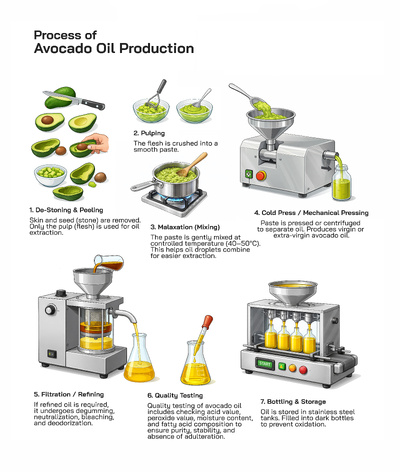
Size reduction may occur next, with seeds lightly crushed or flaked to increase surface area. Breaking protective structures allows pressure to act more effectively. Engineers strive to achieve optimal permeability so oil can escape without forming dense masses that resist flow. Balance between disruption and porosity determines efficiency.
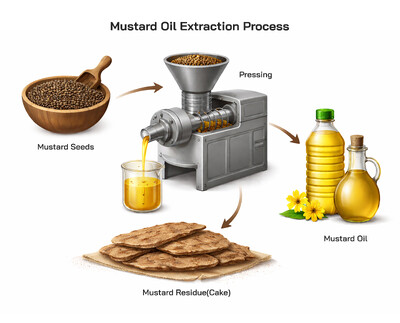
Mechanical pressing stands at the heart of many facilities. Screw presses apply continuous force, squeezing oil from prepared material. The liquid emerging at this stage may appear turbid because it contains fine particles and natural components. The remaining solids, often called cake, retain protein and fiber and frequently enter animal feed markets or other value streams. Efficient utilization of by-products contributes to economic sustainability.
Some plants pursue additional recovery using solvent extraction. Food-grade solvents dissolve residual lipids, increasing overall yield. Subsequent evaporation and distillation separate solvent from oil, allowing reuse in a closed cycle. The product obtained remains crude, containing gums, pigments, and volatile compounds that must be addressed before sale.
Clarification is usually the first step in refining. Filtration or settling removes suspended particles, improving appearance. Degumming may follow, targeting phospholipids that can create haze or instability. By eliminating these materials, processors prepare the oil for longer storage and better behavior in cooking applications.
Neutralization aims to reduce free fatty acids that could affect taste or shelf life. Carefully controlled reactions convert these components into removable forms. Washing and drying ensure that residues do not remain, because moisture can encourage deterioration. At this point, the oil is already much cleaner and lighter, yet additional treatment often refines sensory properties.
Bleaching employs adsorbent substances to capture color bodies and trace contaminants. Though the term might suggest harshness, the method is largely physical, designed to polish appearance while maintaining integrity. Filtration removes the spent materials, leaving a clearer product.
Deodorization represents the final major purification for many commercial oils. Under vacuum and regulated heat, steam strips away volatile compounds responsible for strong odors. The outcome is a neutral or gently aromatic oil suited to diverse culinary uses. Precision here is vital, since excessive treatment could diminish desirable character.
After refining, polishing filtration ensures brilliance and removes any last impurities. Laboratory analysis verifies compliance with quality parameters, including clarity and stability. Documentation supports traceability, reinforcing confidence throughout supply chains.
Packaging converts bulk liquid into consumer-ready form. Automated systems fill bottles or tins with accurate volumes while minimizing exposure to air. Containers are sealed, labeled, and coded so distribution networks can manage inventory effectively. Storage in cool, dry conditions preserves flavor until the product reaches kitchens.
Distribution completes the journey, but responsibility for quality continues. Retailers and food service operators rely on stable supply, and processors monitor feedback to refine practices further. Continuous improvement remains central to competitiveness.
Sustainability considerations increasingly guide innovation. Efficient energy use, recovery of by-products, and recycling of solvents reduce environmental footprint. Researchers explore improved pressing technologies and gentler refining techniques to protect nutrients while enhancing yield.
While the mechanical pathway from seed to oil defines the physical transformation, a parallel framework of management decisions determines how successfully a producer can compete in modern markets. Behind the visible machinery stands an infrastructure of planning, certification, and coordination that shapes everything from supplier relationships to consumer perception. Sesame oil manufacturers operate within complex regulatory landscapes that demand transparency, traceability, and documented compliance. These systems, though less visible than presses or filters, are just as decisive in protecting reputation and enabling international trade.
Traceability programs begin long before seeds arrive at the plant. Buyers increasingly request detailed records of origin, cultivation methods, and handling practices. Digital platforms now allow batches to be tracked from individual farming communities through transport hubs to refineries and packaging lines. Such documentation supports rapid response if quality issues arise and provides marketing advantages in regions where shoppers value accountability. By investing in data management, processors transform logistics into a form of quality assurance.
Food safety management has expanded correspondingly. Facilities adopt structured protocols that analyze potential hazards and define preventive controls. Personnel receive training not only in machine operation but also in hygiene, allergen awareness, and contamination prevention. Routine environmental monitoring, equipment sanitation, and audit schedules create a culture in which safety becomes habitual rather than reactive. For many companies, these procedures are prerequisites for entering premium retail channels.
Human expertise remains indispensable despite automation. Operators interpret subtle variations in raw material behavior, maintenance teams anticipate wear before breakdown occurs, and laboratory technicians evaluate characteristics that instruments alone cannot fully judge. Experienced staff develop intuition regarding aroma shifts or color nuances, providing an additional layer of protection. Investment in training therefore represents a strategic priority, ensuring continuity of knowledge across generations of workers.
Maintenance engineering influences both efficiency and reliability. Press components, heating elements, pumps, and seals must function within tight tolerances to avoid product loss or safety risks. Predictive maintenance programs use vibration analysis, temperature mapping, and performance metrics to identify emerging problems. By addressing issues early, facilities minimize downtime and maintain consistent throughput. Such practices also extend equipment lifespan, improving economic sustainability.
Energy management has become another field of innovation. Oil processing can require significant thermal and mechanical input, encouraging engineers to explore recovery systems that capture waste heat or optimize motor performance. Integration of renewable energy sources, where feasible, reduces dependence on fossil fuels and aligns operations with global climate goals. These improvements often generate financial savings while enhancing corporate responsibility profiles.
Water stewardship is equally important. Even when water is not a direct ingredient, cleaning and cooling processes may consume substantial volumes. Recycling systems, advanced filtration, and careful monitoring help reduce demand. In areas where water scarcity affects communities, such initiatives contribute to social acceptance and long-term viability of industrial activity.
Product diversification broadens economic resilience. Some manufacturers develop specialty oils aimed at gourmet markets, while others create blends tailored for high-temperature cooking or nutritional applications. Packaging sizes vary from small retail bottles to bulk containers for restaurants and manufacturers. By responding to different customer segments, companies spread risk and build broader distribution networks.
Brand development, though outside the mechanical realm, profoundly shapes how sesame oil is perceived. Visual identity, storytelling about origin, and communication of quality attributes influence purchasing decisions. Marketing teams collaborate with production managers to ensure claims remain accurate and verifiable. Authentic narratives rooted in real practices strengthen credibility and help products stand out in crowded marketplaces.
E-commerce has introduced additional considerations. Oils must travel safely through courier systems, requiring packaging that resists leakage and protects flavor. Warehousing strategies adapt to faster turnover cycles, and digital customer feedback offers immediate insight into preferences. Producers capable of responding quickly to such information can refine formulations or presentation in near real time.
Research institutions contribute by exploring nutritional and functional characteristics that might open new opportunities. Studies examine stability during frying, interactions with other ingredients, and potential roles in specialized diets. Partnerships between academia and industry foster development of applications that extend beyond traditional culinary boundaries. This collaborative environment accelerates innovation while grounding it in scientific evidence.
Waste valorization has moved to the forefront of sustainability discussions. Residual materials from processing can serve as inputs for animal nutrition, soil amendments, or even bioenergy production. By viewing by-products as resources rather than liabilities, facilities reduce environmental impact and generate supplementary revenue streams. Circular thinking thus transforms operational philosophy.
Community engagement reinforces long-term success. Companies often support agricultural training, infrastructure development, or educational initiatives in sourcing regions. These partnerships strengthen supply reliability and demonstrate commitment to shared prosperity. Consumers increasingly recognize and reward such efforts, integrating ethical considerations into brand loyalty.
Globalization ensures that sesame oil participates in ever-changing culinary landscapes. Fusion cuisines reinterpret its flavor in innovative dishes, while health-conscious consumers seek minimally processed options. Producers who monitor trends can adapt quickly, adjusting roasting profiles or packaging formats to meet emerging expectations. Flexibility becomes as important as tradition.
Risk management frameworks prepare organizations for uncertainties ranging from climate variability to market volatility. Diversified sourcing, inventory planning, and financial hedging protect continuity. Transparent communication with partners builds resilience during disruptions, allowing supply chains to recover more rapidly.
Attention increasingly turns toward how sesame oil is experienced after it leaves the factory gate. Sensory perception in domestic kitchens or professional environments feeds directly back into industrial priorities. Aroma release during heating, interaction with spices, and visual appeal in finished dishes all influence reputation. Producers therefore conduct culinary trials and collaborate with chefs to understand how oil behaves under varied techniques. Insights gathered from these partnerships may guide adjustments in processing intensity or blending strategies, illustrating how the boundary between manufacturing and gastronomy grows more permeable over time.
Retail presentation adds another layer to this interaction. Shelf placement, bottle ergonomics, and closure systems affect how comfortably people incorporate the oil into everyday routines. Easy-pour spouts, light-protective glass, and resealable caps help preserve quality while enhancing convenience. Designers work alongside engineers so that functional requirements align with aesthetic expectations. In competitive markets, even subtle improvements in usability can shape loyalty.
Consumer education has become a strategic instrument as well. Many buyers wish to understand smoke behavior, pairing possibilities, or storage guidance. Companies respond by offering recipes, videos, and informational campaigns that demystify technical aspects. By empowering individuals to achieve better culinary results, producers strengthen emotional connections to their brands. Knowledge transfer thus becomes part of value creation.
Digitalization accelerates this cycle of feedback and refinement. Online reviews and direct communication channels provide immediate impressions of performance. Data analytics can reveal patterns in purchasing frequency or regional taste preferences, enabling targeted innovation. Rather than relying solely on long planning horizons, manufacturers increasingly adopt iterative development models that respond swiftly to emerging signals.
Technology convergence reshapes facilities in parallel. Automation, sensor networks, and real-time monitoring systems create integrated environments where deviations are detected instantly. Advanced control algorithms adjust parameters automatically, reducing waste and stabilizing output. At the same time, cybersecurity becomes a consideration, since digital infrastructure must remain protected from disruption. Investment in secure and reliable systems ensures continuity in an era of interconnected operations.
Robotics contribute to precision in packaging and palletizing, minimizing human strain and enhancing uniformity. Collaborative robots may work alongside staff, combining mechanical accuracy with human judgment. Training programs evolve accordingly, emphasizing digital literacy and systems thinking in addition to traditional mechanical skills. The workforce of sesame oil production becomes more multidisciplinary, bridging agriculture, engineering, and information science.
Climate resilience will likely shape future strategies even more strongly. Shifts in rainfall patterns and temperature can influence crop availability and quality. Long-term partnerships with growers, research into tolerant varieties, and flexible sourcing arrangements help mitigate risk. Some companies explore vertical integration or contract farming models to secure stable supplies while supporting agricultural adaptation.
Transportation infrastructure also faces transformation. As sustainability targets tighten, logistics providers evaluate alternative fuels and optimized routing. Efficient distribution not only reduces emissions but also protects product freshness. Coordination between processors and carriers becomes an integral element of overall performance.
Public expectations regarding transparency continue to rise. Blockchain and similar technologies promise tamper-resistant records that verify origin and handling history. While implementation can be complex, the potential to build trust across borders encourages experimentation. When consumers can access stories of cultivation and craftsmanship, they engage more deeply with the products they purchase.
Innovation in packaging materials may further alter environmental impact. Lightweight containers, recyclable components, and refill systems are being tested in various markets. Balancing durability with ecological responsibility requires collaboration between material scientists and supply chain specialists. Success in this area can significantly influence brand perception among environmentally aware customers.
Health research may uncover additional aspects of sesame oil that inspire new formulations or usage recommendations. Functional foods, personalized nutrition, and preventive health strategies could integrate the oil in ways not previously imagined. Producers attentive to scientific developments will be better positioned to respond responsibly and credibly.
Education of future professionals ensures continuity of expertise. Universities and vocational institutes incorporate food engineering, quality management, and sustainability into curricula, preparing graduates to navigate complex production environments. Partnerships between academia and industry facilitate internships and research projects that keep knowledge aligned with practical needs.
Cultural preservation remains equally important. Even as automation advances, many companies maintain ceremonial or artisanal lines that celebrate heritage techniques. These initiatives remind consumers that innovation does not require abandonment of tradition. Instead, past and future can coexist, enriching one another.
In contemplating the trajectory ahead, sesame oil production appears less like a fixed sequence of operations and more like a living system. It adapts continually to technological, environmental, and social currents while retaining core commitments to flavor and reliability. Every improvement in monitoring, every dialogue with consumers, and every investment in sustainability contributes to a broader narrative of responsible nourishment.
The enduring strength of the industry lies in its capacity for integration. Farmers, scientists, engineers, marketers, and cooks all participate in shaping outcomes. Their combined efforts ensure that a product rooted in ancient cultivation can thrive amid digital transformation and global exchange. Through collaboration and foresight, sesame oil will continue to bridge eras, connecting evolving societies with the agricultural wisdom that first brought its distinctive aroma into human life.
Ultimately, the evolution of sesame oil production demonstrates that transformation does not end with extraction or refining. It continues through governance, technology, and relationships that connect fields to global tables. By harmonizing operational excellence with responsible stewardship, the industry ensures that the familiar golden liquid remains available, trustworthy, and relevant in a world of shifting demands.
In essence, sesame oil extraction is a chain of interdependent operations where precision at each link determines success. From cleaning seeds to sealing bottles, the objective remains constant: deliver an oil that honors tradition while meeting modern expectations. The transformation from field harvest to clear liquid encapsulates collaboration between agriculture and industry, ensuring that the aroma treasured in countless dishes can be enjoyed reliably around the world.