Bitter gourd, commonly known as bitter melon and scientifically referred to as Momordica charantia, is a distinctive vegetable recognized worldwide for its intense bitter taste and remarkable health associations. Native to tropical and subtropical regions, bitter gourd has been cultivated and consumed for centuries across Asia, Africa, the Caribbean, and parts of South America. Despite its challenging flavor profile, it has earned a strong reputation in traditional diets and health-oriented food systems due to its dense nutrient composition and its long-standing association with metabolic and digestive well-being. Over time, bitter gourd has moved beyond being a regional staple and has gained recognition on a global scale as a functional vegetable valued as much for its nutritional role as for its cultural significance.
From a nutritional perspective, bitter gourd is exceptionally low in calories while being rich in essential nutrients, making it a valuable component of balanced and calorie-conscious diets. It provides a substantial amount of dietary fiber, which supports digestive health and contributes to a feeling of fullness after meals. The fiber content aids in maintaining regular digestion and helps moderate the absorption of sugars and fats from food. Bitter gourd is also a notable source of vitamin C, an antioxidant vitamin essential for immune function, skin integrity, and cellular repair. Alongside vitamin C, it supplies vitamin A in the form of carotenoids, which are important for vision health, immune defense, and overall cellular protection. Folate and other B-complex vitamins are present as well, supporting energy metabolism and normal cellular function.
Mineral content further enhances the nutritional profile of bitter gourd. Potassium plays a role in maintaining healthy blood pressure and fluid balance, while magnesium supports muscle and nerve function. Trace minerals such as iron and zinc contribute to oxygen transport and immune system activity. What distinguishes bitter gourd nutritionally is not just its vitamin and mineral composition, but also its unique bioactive compounds, including charantin, polypeptide-p, and various alkaloids. These naturally occurring substances have been extensively discussed in traditional dietary systems and modern nutritional research for their potential role in supporting healthy glucose metabolism and overall metabolic balance.
The health benefits of bitter gourd are deeply rooted in traditional dietary practices, particularly in Asian and African cultures where it has long been associated with metabolic support. Its consumption is commonly linked to maintaining balanced blood sugar levels, which has made it especially popular in diets focused on metabolic health. The combination of fiber and bioactive compounds may help slow carbohydrate digestion and absorption, contributing to steadier post-meal energy levels. Bitter gourd is also valued for its antioxidant properties, which help protect cells from oxidative stress caused by environmental factors and normal metabolic processes. By reducing oxidative burden, these antioxidants are thought to support long-term cellular health and resilience.
Digestive health is another area where bitter gourd is traditionally appreciated. Its bitterness is believed to stimulate digestive secretions, potentially enhancing appetite regulation and nutrient assimilation. In many food cultures, bitter flavors are intentionally included in meals to balance richer or heavier foods, and bitter gourd plays this role effectively. Additionally, its fiber content supports gut health by promoting regular bowel activity and fostering a favorable digestive environment. Some dietary traditions also associate bitter gourd with liver support, viewing it as a cleansing vegetable that complements seasonal dietary routines.
Incorporating bitter gourd into the diet requires thoughtful preparation due to its strong taste, but culinary traditions around the world have developed diverse methods to make it both palatable and enjoyable. In South and East Asia, bitter gourd is commonly sliced and stir-fried with spices, onions, and other vegetables to balance its bitterness. It is also used in curries, soups, and stuffed preparations where its flavor becomes more complex and less overpowering. In China, it is often paired with eggs or fermented ingredients, while in Japan it is a key component of regional dishes that celebrate bitter flavors as part of seasonal eating. In the Caribbean, bitter melon is frequently cooked with aromatic herbs and meats, creating dishes that reflect a blend of African and Asian culinary influences.
Cooking techniques play a significant role in shaping the sensory experience of bitter gourd. Salting and rinsing the sliced vegetable before cooking is a common practice to reduce bitterness, as is blanching it briefly in hot water. Combining bitter gourd with fats, acids, or strongly flavored spices can further soften its sharpness. Despite these adaptations, many cultures value the bitterness itself, viewing it as an essential and beneficial taste rather than something to be completely removed. This acceptance of bitterness highlights broader dietary philosophies that emphasize balance and variety in flavors.
The global popularity of bitter gourd has grown steadily alongside increasing interest in traditional foods and plant-based nutrition. As consumers around the world seek vegetables with functional benefits and cultural authenticity, bitter gourd has gained visibility in international markets, health food stores, and culinary discussions. Migration and globalization have also played a role, introducing bitter gourd to new regions where it is now cultivated locally or imported fresh and frozen. Its adaptability to warm climates and relatively low input requirements make it a practical crop in many parts of the world, further supporting its global spread.
Beyond its culinary and nutritional roles, bitter gourd holds cultural importance in many societies. It is often associated with traditional wisdom around food and health, where taste is closely linked to function. In these contexts, bitterness is not merely a sensory challenge but a marker of potential benefit and balance. This perspective contrasts with modern preferences for sweetness and mild flavors, yet it is precisely this difference that has drawn renewed interest to bitter gourd in contemporary dietary conversations.
Bitter gourd cultivation practices contribute indirectly to its nutritional quality and global availability. The plant grows as a climbing vine with vigorous growth habits, producing fruits continuously when harvested regularly. This growth pattern allows farmers to obtain repeated harvests from a single planting cycle, making it an efficient vegetable crop in warm climates. The rapid fruiting and short time to harvest have supported its integration into small-scale farming, home gardens, and commercial production systems alike. Because bitter gourd thrives in tropical and subtropical environments, it has become an accessible vegetable in regions where year-round fresh produce is essential for nutritional security.
The physiological bitterness of bitter gourd has increasingly attracted scientific attention as researchers explore the relationship between taste compounds and health outcomes. Bitter-tasting phytochemicals are now understood to interact with taste receptors not only in the mouth but also throughout the digestive tract. These interactions may influence appetite regulation, digestive enzyme release, and metabolic signaling pathways. This emerging understanding has renewed interest in bitter vegetables as part of balanced diets, positioning bitter gourd as a natural example of how traditional food preferences align with biological responses.
In dietary integration, bitter gourd is often introduced gradually, especially in populations unfamiliar with its taste. Nutrition-focused meal planning frequently incorporates bitter gourd in combination with complementary foods that soften its intensity while preserving its functional value. Pairing bitter gourd with protein-rich ingredients, healthy fats, or complex carbohydrates helps create nutritionally balanced meals that are satisfying and culturally adaptable. These combinations allow bitter gourd to move beyond niche consumption and become part of regular dietary routines without overwhelming the palate.
Modern dietary trends have also encouraged innovative uses of bitter gourd beyond traditional cooking. Juices, powders, and dried forms have emerged in health-focused markets, offering alternative ways to consume the vegetable. While fresh bitter gourd remains the preferred form in traditional cuisines, these processed options have expanded its reach to consumers seeking convenience or targeted nutritional support. Such formats are particularly popular among individuals exploring plant-based functional foods, further contributing to bitter gourd’s global visibility.
From a public health perspective, bitter gourd has gained attention in discussions around dietary diversity and preventive nutrition. Diets that include a range of vegetables with varied flavor profiles are increasingly recognized as beneficial for long-term health. Bitter gourd contributes to this diversity by offering nutrients and phytochemicals distinct from those found in sweeter vegetables. Its inclusion encourages broader acceptance of complex flavors and supports dietary patterns that emphasize whole, minimally processed foods.
Cultural attitudes toward bitterness play a significant role in bitter gourd’s acceptance and popularity. In many traditional food systems, bitterness is associated with cleansing, balance, and strength, shaping positive perceptions of vegetables like bitter gourd. These cultural frameworks contrast with modern food environments that often prioritize sweetness and mildness. As global food culture evolves, there is growing appreciation for these traditional perspectives, leading to renewed respect for bitter vegetables and their role in holistic nutrition.
Bitter gourd also holds importance in seasonal eating practices. In several cultures, it is consumed more frequently during warmer months, aligning with traditional beliefs about cooling foods and digestive balance. This seasonal integration reflects a deeper understanding of how foods interact with environmental conditions and bodily needs. Such practices highlight the vegetable’s role not only as nourishment but as part of a broader lifestyle approach to health and well-being.
Global trade and migration have further shaped bitter gourd’s culinary identity. As communities move across borders, they bring food traditions with them, introducing bitter gourd to new regions and cuisines. Over time, local adaptations emerge, blending bitter gourd with regional ingredients and cooking styles. This process has led to hybrid dishes that preserve the vegetable’s core characteristics while making it accessible to diverse audiences. These culinary adaptations have helped bitter gourd transition from a culturally specific ingredient to a globally recognized vegetable.
In sustainability discussions, bitter gourd is often highlighted for its efficient use of resources. The plant’s climbing nature allows vertical growth, optimizing space and making it suitable for trellising systems. This growth habit is advantageous in areas with limited land availability and supports environmentally conscious farming practices. Additionally, its ability to produce consistently under warm conditions aligns with future agricultural needs as climate patterns shift toward higher temperatures in many regions.
Educational initiatives around nutrition and food literacy have also contributed to bitter gourd’s growing popularity. Cooking demonstrations, nutrition programs, and cultural exchanges introduce consumers to preparation methods that emphasize both taste and health. As people learn how to handle and cook bitter gourd effectively, hesitation often gives way to appreciation. This educational aspect plays a crucial role in expanding bitter gourd’s acceptance beyond traditional consumer groups.
The evolving perception of bitter gourd reflects a broader shift in global food culture toward embracing diversity in taste, nutrition, and tradition. What was once considered an acquired taste is increasingly valued for its distinctive character and functional benefits. Bitter gourd’s journey from local staple to globally discussed vegetable underscores the importance of preserving traditional foods while adapting them to modern lifestyles.
Another aspect that contributes to the growing relevance of bitter gourd is its role in dietary behavior and taste adaptation. Nutrition research increasingly emphasizes that repeated exposure to bitter flavors can reshape taste preferences over time. Bitter gourd is often cited as an example of how traditional diets train the palate to accept and even appreciate bitterness as part of a balanced sensory experience. This gradual adaptation supports healthier eating patterns by reducing reliance on overly sweet or processed foods and encouraging acceptance of a wider range of vegetables.
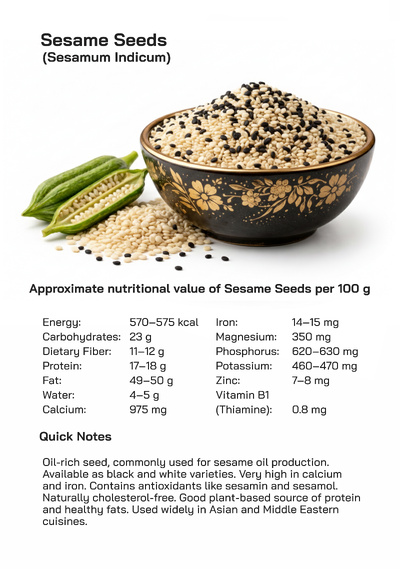
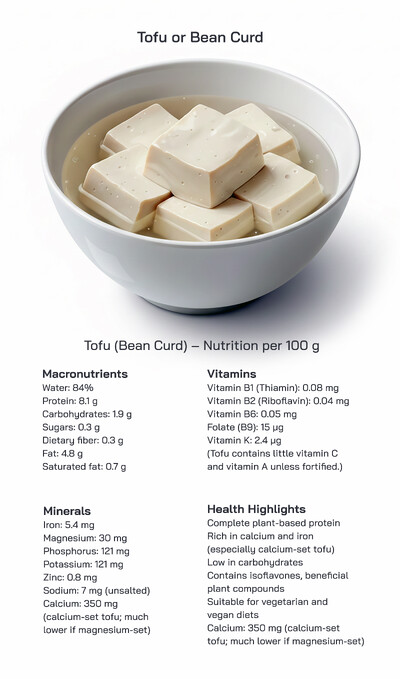
Bitter gourd also plays a meaningful role in plant-based protein support when combined with other foods. While it is not a high-protein vegetable on its own, it is frequently paired with legumes, pulses, eggs, or soy-based ingredients in traditional dishes. These combinations enhance overall meal quality by balancing amino acids, fiber, and micronutrients. Such pairings reflect long-standing culinary knowledge that prioritizes nutritional completeness without heavy dependence on animal-based foods.
The vegetable’s role in traditional fasting and detox-style diets further underscores its perceived functional value. In many cultures, bitter gourd is included in simplified meals during periods of dietary restraint, seasonal cleansing, or spiritual observance. Its low energy density and strong flavor make it suitable for light meals that emphasize moderation and internal balance. While modern nutrition approaches avoid extreme detox claims, these traditional uses highlight bitter gourd’s association with mindful eating and metabolic reset practices.
Food science research has also examined how cooking methods influence bitter gourd’s nutrient retention. Gentle cooking techniques such as steaming, quick sautéing, or shallow frying help preserve heat-sensitive vitamins while maintaining palatability. Excessive boiling can lead to nutrient loss, especially of water-soluble compounds, which has encouraged culinary practices that minimize prolonged exposure to water. This growing awareness has led to refined preparation methods that balance health benefits with taste.
Bitter gourd’s inclusion in fermented foods represents another unique area of dietary integration. In certain regions, it is lightly fermented or combined with fermented ingredients, which may enhance digestibility and flavor complexity. Fermentation can modify bitter compounds, creating milder profiles while introducing beneficial microorganisms. This intersection of bitterness and fermentation aligns with global interest in gut-friendly foods and traditional preservation techniques.
In the context of aging populations, bitter gourd has gained attention for its suitability in nutrient-dense, low-calorie diets. Older adults often require foods that provide vitamins, minerals, and fiber without excessive energy intake. Bitter gourd fits this need well, offering micronutrient support while helping manage overall calorie consumption. Its inclusion in soft-textured dishes such as stews or lightly cooked preparations makes it accessible to varied dietary needs.
The role of bitter gourd in regional food economies also deserves attention. In many rural and peri-urban areas, bitter gourd cultivation provides supplemental income due to steady demand and multiple harvest cycles. Local markets often rely on fresh bitter gourd as a regular commodity, and its relatively short production cycle allows farmers to respond quickly to market needs. This economic flexibility strengthens food supply chains and supports small-scale agricultural livelihoods.
Global media and culinary storytelling have further influenced bitter gourd’s perception. Food documentaries, cooking shows, and nutrition-focused content increasingly highlight bitter gourd as an example of culturally significant, health-oriented produce. Such representation helps demystify the vegetable for new audiences and frames it as an ingredient worth exploring rather than avoiding. This shift in narrative has played a subtle but important role in expanding its global acceptance.
Bitter gourd’s adaptability to climate variation positions it as a vegetable of interest in future food planning. As rising temperatures challenge traditional crop systems, vegetables that tolerate heat without significant yield loss become increasingly valuable. Bitter gourd’s climbing growth habit, efficient water use, and resilience under warm conditions support its inclusion in climate-adaptive agricultural strategies. These characteristics align with broader efforts to diversify crops and reduce vulnerability to climate stress.
From a culinary creativity standpoint, bitter gourd continues to inspire experimentation. Modern chefs incorporate it into salads, tempura-style dishes, stuffed preparations, and fusion cuisines that blend traditional bitterness with contemporary presentation. These innovations demonstrate that bitter gourd is not limited to traditional contexts but can evolve alongside changing culinary trends while retaining its identity.
Ultimately, the continued global integration of bitter gourd reflects a deeper shift toward respecting traditional foods for their nutritional wisdom and ecological suitability. Its journey illustrates how vegetables once considered niche or challenging can gain broader appreciation through education, adaptation, and cultural exchange. Bitter gourd’s combination of resilience, nutrient density, and distinctive flavor ensures its ongoing relevance in global diets, serving as a bridge between ancestral food knowledge and modern nutritional priorities. Bitter gourd represents more than a nutritious vegetable; it embodies the intersection of culture, health, and sustainability. Its continued integration into diets around the world highlights a growing willingness to explore foods that challenge conventional preferences while offering meaningful nutritional value. As global interest in traditional, plant-based, and functional foods continues to rise, bitter gourd stands as a compelling example of how deeply rooted dietary wisdom can remain relevant in contemporary nutrition and global cuisine.
Overall, bitter gourd stands as a powerful example of how traditional vegetables continue to influence modern nutrition. Its rich nutrient content, unique bioactive compounds, and long-standing association with metabolic and digestive support make it a valuable addition to diverse diets. Through centuries of culinary adaptation and cultural exchange, bitter gourd has secured a place in global food systems, demonstrating that even the most challenging flavors can offer meaningful nutritional rewards when embraced with understanding and respect.