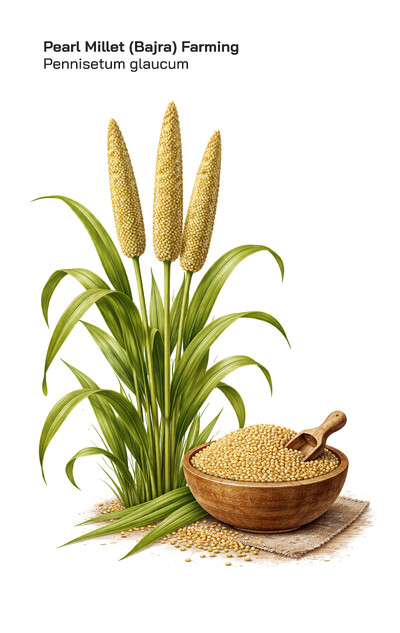
Pearl millet is one of the most resilient and nutritionally valuable cereal grains cultivated by humans, playing a vital role in food security across arid and semi-arid regions of the world. Scientifically known as Pennisetum glaucum, pearl millet is commonly referred to as bajra in South Asia and has been consumed for thousands of years due to its ability to thrive under harsh climatic conditions. Its importance extends beyond survival agriculture, as pearl millet offers a rich nutritional profile that supports modern health-focused diets.
From a nutritional perspective, pearl millet is a dense source of essential nutrients that contribute to sustained energy and overall wellness. It is particularly valued for its high dietary fiber content, which supports digestive health and promotes a feeling of fullness. This slow-digesting nature helps regulate appetite and contributes to balanced blood sugar response, making pearl millet suitable for individuals seeking steady energy release rather than rapid carbohydrate spikes.
Pearl millet provides a meaningful amount of plant-based protein, supporting muscle maintenance and daily metabolic functions. When combined with other foods, it contributes effectively to balanced diets, especially in regions where access to animal protein may be limited. The grain also contains healthy fats in small amounts, which support nutrient absorption and energy metabolism.
Mineral richness is one of pearl millet’s most distinctive health advantages. It contains significant levels of iron, magnesium, phosphorus, and zinc, which play essential roles in oxygen transport, bone strength, nerve function, and immune support. The natural iron content of pearl millet has made it especially important in traditional diets aimed at supporting blood health and reducing nutritional deficiencies.
Pearl millet is naturally gluten free, which increases its value in contemporary diets that focus on alternative grains. Its suitability for gluten-sensitive individuals has contributed to renewed interest in pearl millet beyond its traditional growing regions. The grain also contains beneficial plant compounds that support antioxidant activity, helping protect cells from oxidative stress and supporting long-term health.
In culinary use, pearl millet is highly versatile. It is commonly ground into flour and used to prepare flatbreads, porridges, and fermented foods. In many cultures, pearl millet dishes are central to daily meals due to their ability to provide warmth, satiety, and sustained nourishment. Whole pearl millet grains are also cooked and incorporated into savory preparations, while modern recipes include millet-based baked goods and health foods.
Pearl millet’s adaptability has supported its use in both traditional and modern food systems. In rural households, it remains a staple grain prepared using age-old methods, while urban and health-conscious consumers are incorporating pearl millet into contemporary recipes that emphasize whole grains and natural nutrition. This bridge between tradition and modern dietary trends has strengthened its relevance globally.
Global popularity of pearl millet is closely tied to its environmental resilience. It grows successfully in regions with low rainfall, high temperatures, and poor soil fertility where other cereals struggle. Major pearl millet–producing regions include parts of India, Africa, and the Middle East, where the grain supports millions of people as a primary food source. Its cultivation also contributes to sustainable agriculture by requiring fewer inputs and conserving water.
In Africa, pearl millet is deeply embedded in cultural food traditions and remains a critical grain for rural communities. In South Asia, particularly India, it is valued both nutritionally and agriculturally, supporting dryland farming systems and regional cuisines. Interest in pearl millet has also expanded to Europe, North America, and other regions as awareness of climate-resilient crops and whole-grain nutrition increases.
Economically, pearl millet supports farming livelihoods and local food systems while contributing to global discussions on food sustainability. Its ability to grow under climate stress positions it as a future-ready crop in the face of changing environmental conditions. This has increased its recognition among researchers, policymakers, and consumers focused on resilient food sources.
Beyond its well-known macronutrient and mineral content, pearl millet contributes to metabolic health through its interaction with digestion and energy utilization. The complex carbohydrate structure of pearl millet slows gastric emptying, which supports prolonged satiety and stable energy availability. This characteristic makes it particularly useful in dietary patterns designed to support active lifestyles and physically demanding routines. Rather than acting as a quick energy source, pearl millet provides endurance-focused nourishment that aligns with traditional labor-intensive societies and modern fitness-oriented diets alike.
Pearl millet also supports gut health in ways that extend beyond fiber intake alone. Its natural components promote a balanced digestive environment by supporting the growth of beneficial intestinal microorganisms. A healthy gut environment contributes to improved nutrient absorption and overall digestive comfort. This role is especially valuable in populations where digestive disorders linked to refined grains are increasingly common, reinforcing the importance of whole grains such as pearl millet in preventive nutrition.
The grain’s relationship with blood sugar regulation further enhances its nutritional importance. Pearl millet’s carbohydrate composition and fiber matrix work together to moderate glucose release into the bloodstream. This effect supports metabolic balance and reduces the strain associated with rapid sugar fluctuations. As a result, pearl millet has gained recognition in dietary approaches focused on long-term metabolic wellness and balanced energy intake.
From a culinary innovation perspective, pearl millet is increasingly appreciated for its adaptability across cooking methods and flavor profiles. Modern chefs and food developers are incorporating pearl millet into diverse preparations, ranging from breakfast cereals and grain bowls to snack foods and plant-based protein products. Its mild, nutty flavor allows it to blend seamlessly with spices, vegetables, and legumes, making it suitable for both traditional recipes and experimental cuisine.
Fermentation has played a significant role in expanding the culinary applications of pearl millet. Fermented pearl millet foods are valued for enhanced digestibility and improved nutrient availability. These preparations are common in many traditional food cultures and are now gaining renewed attention for their potential role in supporting gut health and food preservation. Fermentation also enhances flavor complexity, increasing pearl millet’s appeal in modern food systems.
Pearl millet flour is increasingly used in baked goods and alternative grain products. Its gluten-free nature allows it to serve as a base for breads, crackers, and baked snacks designed for diverse dietary needs. When combined with other whole-grain flours, pearl millet contributes texture, nutritional density, and flavor balance. This versatility supports its integration into contemporary food markets that emphasize inclusivity and whole-food ingredients.
In agricultural contexts, pearl millet’s resilience is supported by its deep root system and efficient water usage. These characteristics allow it to access moisture from deeper soil layers and survive prolonged dry periods. Such traits make pearl millet a strategic crop in regions facing increasing climate variability. Its cultivation supports food production stability in areas where other cereals are vulnerable to drought and heat stress.
Pearl millet also plays an important role in crop diversification and soil health. Its cultivation helps reduce dependency on water-intensive crops and supports sustainable land use practices. By fitting into crop rotation systems, pearl millet contributes to improved soil structure and reduced pest pressure. These ecological benefits enhance its value beyond food production, positioning it as a key component of climate-adaptive agriculture.
Global interest in pearl millet has expanded as awareness grows around climate-resilient food systems. Researchers and agricultural organizations increasingly recognize pearl millet as a crop capable of supporting food security under challenging environmental conditions. This recognition has led to renewed investment in improved seed varieties, farming practices, and value-added processing methods that enhance both yield and nutritional quality.
Culturally, pearl millet holds deep significance in many regions where it has been cultivated for generations. Traditional dishes prepared from pearl millet are closely tied to local identities, seasonal cycles, and community traditions. These cultural connections reinforce its continued use and transmission of culinary knowledge across generations. As global food culture evolves, pearl millet serves as a link between heritage foods and modern dietary innovation.
In urban and international markets, pearl millet is increasingly associated with mindful eating and sustainable food choices. Consumers seeking alternatives to highly processed grains are turning toward pearl millet for its nutritional density and environmental credentials. Its inclusion in wellness-oriented food products reflects a broader shift toward grains that support both personal health and ecological responsibility.
Pearl millet also contributes to dietary diversity, which is essential for balanced nutrition. Incorporating a variety of grains helps reduce reliance on a limited number of staple crops and supports broader nutrient intake. This diversification benefits not only individual health but also global food systems by reducing vulnerability to crop failure and market instability.
From an economic perspective, pearl millet supports smallholder farmers and local food economies. Its low input requirements reduce production costs, making it accessible to resource-limited farming communities. Strengthening pearl millet value chains through processing and market access enhances rural livelihoods and supports inclusive agricultural development.
Looking toward the future, pearl millet is increasingly viewed as a grain aligned with sustainable development goals. Its ability to nourish populations, withstand environmental stress, and support agricultural resilience positions it as a forward-looking food crop. As climate challenges intensify, grains like pearl millet are likely to play a greater role in shaping global food strategies.
A deeper examination of pearl millet reveals its role in supporting micronutrient balance over long-term dietary patterns. Regular inclusion of pearl millet contributes to steady intake of trace elements that are often lacking in refined-grain–based diets. These micronutrients support enzymatic processes that regulate energy conversion, cellular maintenance, and nervous system function. Unlike highly processed cereals, pearl millet retains its natural nutrient matrix, allowing the body to utilize these elements more efficiently when consumed as part of whole-food meals.
Pearl millet also demonstrates notable adaptability in food preparation without losing its nutritional integrity. Cooking methods such as steaming, roasting, pressure cooking, and slow simmering preserve much of its inherent value while altering texture and flavor to suit different culinary preferences. This adaptability allows pearl millet to fit seamlessly into diverse food cultures, from soft porridges and steamed grains to crisp snacks and baked formulations. Such flexibility increases its acceptance among populations transitioning from refined grains to whole-grain diets.
In regions facing nutritional transitions due to urbanization, pearl millet offers a bridge between traditional nourishment and modern convenience. Ready-to-cook and ready-to-eat pearl millet products are increasingly available, providing access to whole-grain nutrition without extensive preparation time. These innovations support healthier food choices in fast-paced lifestyles while preserving the grain’s nutritional identity. This balance between convenience and nourishment is critical in addressing modern dietary challenges.
Pearl millet also contributes to resilience at the household level. Its grains store well under dry conditions and resist spoilage when properly handled, making them reliable food reserves in areas prone to seasonal scarcity. This storage stability has historically supported food security during droughts or delayed harvests. Even today, this characteristic enhances pearl millet’s value in emergency preparedness and community resilience planning.
From a public health perspective, pearl millet plays a role in dietary strategies aimed at addressing micronutrient deficiencies. Its inclusion in school meals, community nutrition programs, and rural health initiatives has shown potential in supporting balanced diets without reliance on fortified or highly processed foods. This natural approach to nutrition aligns with efforts to promote food-based solutions rather than isolated nutrient supplementation.
Pearl millet’s environmental footprint further strengthens its global relevance. Its ability to grow with minimal chemical inputs reduces the ecological impact associated with intensive cereal farming. Lower dependence on irrigation and fertilizers contributes to reduced greenhouse gas emissions and improved soil biodiversity. As environmental sustainability becomes a central concern in agriculture, pearl millet stands out as a crop aligned with regenerative and low-impact farming practices.
In the context of climate adaptation, pearl millet serves as a model for future crop development. Researchers study its genetic traits to understand tolerance to heat, drought, and poor soil conditions. These insights support broader efforts to develop climate-resilient food systems. Pearl millet’s genetic diversity provides a valuable resource for breeding programs aimed at securing food production under unpredictable environmental conditions.
Socially, pearl millet has supported food sovereignty in many regions. Communities that rely on pearl millet maintain greater control over local food production, reducing dependency on imported grains. This autonomy strengthens local economies and preserves traditional agricultural knowledge. As interest in localized food systems grows, pearl millet offers a practical foundation for self-reliant and culturally rooted diets.
Pearl millet’s role in plant-based nutrition also continues to expand. As more consumers adopt plant-forward diets, demand for diverse whole grains increases. Pearl millet provides a nutrient-dense option that complements legumes, vegetables, and healthy fats. Its balanced composition supports meal planning that meets nutritional needs without reliance on animal-derived products.
In international markets, pearl millet is gradually gaining recognition as a “future grain.” Food innovators highlight its sustainability credentials and nutritional density in product development and marketing. This repositioning helps introduce pearl millet to consumers unfamiliar with traditional preparations, broadening its global audience. Such exposure supports cultural exchange and appreciation of indigenous food crops.
Educational institutions and agricultural organizations increasingly emphasize pearl millet in discussions about sustainable diets. Its example illustrates how traditional crops can address modern challenges related to nutrition, climate change, and food equity. By showcasing pearl millet, educators highlight the importance of preserving crop diversity and respecting indigenous agricultural systems.
The sensory qualities of pearl millet also contribute to its growing appeal. Its subtle earthiness and ability to absorb surrounding flavors make it adaptable to both mild and richly spiced dishes. Texture variations achieved through different cooking techniques allow it to satisfy a range of culinary expectations, from soft and comforting to firm and hearty. This sensory versatility enhances its integration into global cuisines.
Pearl millet’s role in supporting rural livelihoods remains central to its global significance. Smallholder farmers benefit from its reliable yields and low production costs. Strengthening supply chains and value-added processing opportunities further enhances income stability and encourages continued cultivation. This economic resilience supports both food producers and consumers in vulnerable regions.
Looking ahead, pearl millet is positioned to play a larger role in shaping sustainable dietary guidelines and agricultural policies. Its alignment with nutrition, climate resilience, and cultural heritage makes it a strong candidate for inclusion in future food security strategies. As global priorities shift toward sustainability and health, pearl millet offers a proven, adaptable solution rooted in centuries of human experience.
In conclusion, pearl millet’s importance extends far beyond its role as a traditional staple. It supports micronutrient balance, culinary adaptability, environmental sustainability, economic resilience, and cultural continuity. By addressing the interconnected challenges of nutrition, climate change, and food security, pearl millet emerges as a grain with both historical depth and future relevance. Its continued integration into modern diets and global food systems highlights the enduring value of resilient, whole-food crops in building a healthier and more sustainable world. Pearl millet extends far beyond its reputation as a traditional cereal grain. It supports metabolic balance, digestive health, culinary creativity, sustainable agriculture, and cultural continuity. Its expanding global recognition reflects a growing understanding that resilient, nutrient-rich grains are essential to the future of food. By combining health benefits with environmental adaptability and cultural relevance, pearl millet stands as a powerful example of how traditional crops can address modern nutritional and ecological challenges worldwide.
In summary, pearl millet is a nutritionally rich, gluten-free grain offering digestive support, mineral nourishment, and sustained energy. Its wide range of culinary uses, combined with exceptional adaptability to challenging environments, has secured its place as a staple in many regions and a rising choice in global health-focused diets. As interest in sustainable and nutrient-dense foods continues to grow, pearl millet stands out as a grain that supports both human health and agricultural resilience worldwide.