Culinary cutting types are standardized knife techniques used in professional and home kitchens to achieve uniform size, shape, and texture in ingredients. These cutting methods are essential for consistent cooking, balanced flavor distribution, and refined presentation. Each cut has a specific purpose depending on cooking method, ingredient type, and desired visual appeal. Mastering these techniques improves efficiency, control, and overall quality in food preparation.
Julienne is a classic cut that produces long, thin matchstick-shaped strips. This cut is commonly used for vegetables such as carrots and bell peppers, especially in salads, stir-fries, and garnishes. Batonnet is a thicker version of julienne, producing rectangular sticks that cook evenly and hold structure well in roasting or frying applications. Allumette is slightly thinner than batonnet but thicker than julienne, often used when precision and uniform cooking are required.
Brunoise is a fine dice created by cutting julienne strips into small cubes. This cut is valued for its refined appearance and is frequently used in sauces, soups, and fine garnishes. Dice cuts can vary in size, but all focus on producing evenly sized cubes that cook uniformly. Fine dice is often used when ingredients must blend seamlessly into a dish.
Bias cut involves slicing vegetables at an angle, creating elongated oval shapes. This cut increases surface area, allowing faster cooking and enhanced visual appeal. Paysanne is a thin, flat cut typically used in soups and quick-cooking dishes, where ingredients should soften rapidly while remaining visible. Paysanne julienne is a variation that keeps thin strips but follows the flat profile of paysanne.
Chiffonade is a delicate cutting technique used primarily for leafy vegetables and herbs. Leaves are stacked, rolled tightly, and sliced into thin ribbons. This method preserves texture while creating an elegant presentation. Slice and rondelle cuts involve cutting vegetables into round pieces, commonly used for carrots, cucumbers, and zucchini, offering simplicity and uniform thickness.
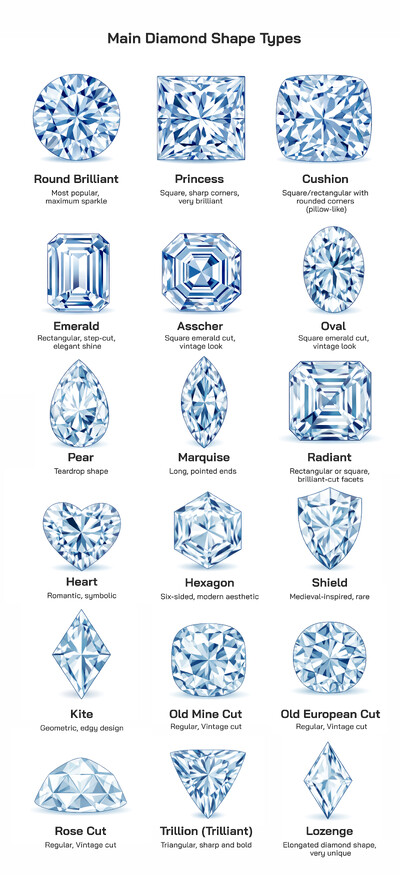
Turned cut, also known as tourné, produces oval-shaped pieces with smooth sides. This technique is traditionally used in classical cuisine to create visually refined vegetables that cook evenly. Lozenge or diamond cut creates angular shapes that add visual contrast and are often used in decorative preparations.
Concassé refers to rough chopped ingredients, often tomatoes, where uniformity is less critical. Chop and rough chop are general cuts used when precise shape is not required, such as in stews or sauces. Fine chop produces very small pieces that integrate smoothly into dishes without dominating texture.
Mince is an extremely fine cut used for ingredients like garlic and herbs, allowing flavors to disperse quickly and evenly. Grated cut involves shredding ingredients into fine strands, commonly used for quick cooking and garnishing.
Each culinary cutting type serves a functional role beyond appearance. Uniform cuts ensure even heat distribution, predictable cooking times, and consistent mouthfeel. Professional kitchens rely on these methods to maintain quality, speed, and presentation standards. Understanding and applying the correct cut improves not only the look of a dish but also its flavor balance and cooking performance.
To really understand culinary cutting types, it helps to step away from definitions and see them as a form of communication between the cook, the ingredient, and the eater. Knife cuts are not just technical habits passed down through culinary schools; they are decisions that quietly shape how food behaves from the pan to the plate. Every cut influences how heat travels through an ingredient, how moisture is released, how flavors are perceived, and even how satisfying a dish feels to eat. Long before seasoning or plating comes into play, cutting establishes the foundation of the entire cooking process.
One of the most important yet rarely discussed reasons cutting styles exist is predictability. Cooking is full of variables—heat levels, moisture, timing, and ingredient quality—but uniform cutting reduces uncertainty. When ingredients are cut consistently, the cook can trust that they will soften, caramelize, or crisp at roughly the same rate. This predictability reduces stress in the kitchen and allows attention to shift toward flavor development and timing rather than damage control. In this sense, knife cuts are a form of risk management.
Cutting styles also control texture in very intentional ways. The same ingredient can feel completely different depending on how it is cut. A carrot sliced thick may feel hearty and substantial, while the same carrot finely julienned feels light and delicate. These differences are not accidental; they allow cooks to tailor the eating experience. Texture strongly influences satisfaction, sometimes more than flavor itself. A well-chosen cut can make a simple ingredient feel refined or comforting without changing its taste at all.
There is also a close relationship between cutting and heat exposure. Smaller cuts expose more surface area, which means faster cooking, more evaporation, and quicker flavor release. Larger cuts retain moisture longer and develop depth more slowly. Choosing a cut is therefore a way of choosing how an ingredient should transform. Fine cuts dissolve into dishes, becoming part of the background. Larger cuts assert their presence, remaining distinct and recognizable. Both outcomes are useful, depending on the goal of the dish.
Knife cuts also shape how flavors are distributed. In a finely minced preparation, flavor spreads quickly and evenly, influencing every bite. In larger cuts, flavor arrives in moments, creating contrast and rhythm as you eat. This pacing matters. Meals that feel monotonous often suffer from uniform texture and flavor delivery, while meals that feel engaging often combine multiple cuts to create variation. Skilled cooks think about cuts not in isolation, but as part of a larger texture map across the plate.
From a human perspective, cutting techniques also influence how people perceive effort and care. Clean, consistent cuts signal attention and respect for the ingredient. Even in casual cooking, neatly cut vegetables often feel more inviting than irregular ones. This visual order subconsciously suggests balance and intention, which can enhance enjoyment before the food is even tasted. In professional kitchens, this visual discipline is essential, but even at home it shapes how meals are received.
Another often overlooked aspect is how cutting affects aroma. Smaller cuts release aroma more quickly because more cell walls are broken. This is why minced garlic smells stronger than sliced garlic, even before cooking. The cut controls when and how aroma enters the cooking process and the dining experience. A dish may smell intense early on and mellow later, or it may release aroma gradually as larger pieces soften. These sensory timelines are influenced directly by knife work.
Cutting techniques also influence digestion and comfort. Finely cut ingredients tend to soften more completely and integrate more smoothly, which can make dishes feel lighter and easier to digest. Larger cuts require more chewing and feel more substantial. This is one reason soups, sauces, and comfort foods often rely on fine cuts, while hearty dishes favor larger ones. The cut helps match the dish to the eater’s needs, whether the goal is nourishment, comfort, or energy.
There is also a strong connection between cutting styles and cultural identity. Different cuisines emphasize different cuts not just for tradition, but because those cuts suit local ingredients, cooking methods, and eating styles. Over time, these choices become cultural signatures. What begins as a practical decision—how best to cook an ingredient—evolves into a recognizable culinary language. Knife cuts become part of how cuisines express themselves.
Learning knife cuts also changes how people relate to cooking. Mastery brings confidence. When someone understands how to cut ingredients properly, cooking feels less chaotic and more controlled. This confidence encourages experimentation and reduces reliance on pre-cut or processed foods. Over time, this leads to more intentional cooking habits and a deeper connection to ingredients. Knife skills are often the turning point where cooking shifts from obligation to craft.
Cutting styles also support workflow and efficiency. In professional kitchens, time is critical. Standardized cuts allow multiple cooks to work together seamlessly. Everyone knows how long a cut will take to cook and how it should look when finished. This shared understanding reduces communication overhead and prevents mistakes. At home, while the pace is slower, standardized cuts still simplify timing and coordination, especially when cooking multiple components at once.
There is also a meditative quality to knife work. Repetitive, controlled cutting encourages focus and rhythm. Many cooks find that proper knife technique creates a calming sense of flow, turning preparation into a grounding activity rather than a chore. This human benefit is rarely discussed, yet it plays a role in why people who develop knife skills often enjoy cooking more deeply.
Cutting types also influence how food ages during cooking. Some cuts hold their shape well and maintain texture even after extended cooking, while others break down quickly. Choosing the right cut prevents disappointment later in the process. A dish that looks perfect early on but collapses into mush often fails because the cut did not match the cooking method. Knife choices protect the integrity of the final dish.
Another subtle role of knife cuts is portion perception. Smaller cuts can make a dish feel more abundant, while larger cuts emphasize substance. This psychological effect can influence satisfaction without changing ingredient quantity. Chefs often use this intentionally to balance richness, cost, and presentation.
Ultimately, culinary cutting types exist because food is dynamic. Ingredients change with heat, time, and handling, and knife cuts give cooks a way to guide that change. They are tools for control, expression, and care. They allow cooks to shape not just how food looks, but how it behaves and how it feels to eat.
Seen this way, knife cuts are not rigid rules but thoughtful options. They offer a vocabulary for cooking, allowing the cook to choose tone, texture, and pace. Mastery does not mean using every cut perfectly, but understanding why a cut exists and when it serves the dish best.
In everyday cooking, this understanding transforms preparation from mechanical repetition into intentional design. Each cut becomes a quiet decision that supports balance, comfort, and clarity. Over time, these decisions accumulate, shaping better meals and more confident cooks.
When you spend enough time working with knife cuts, you begin to realize they are not just about food preparation, but about training the mind. Each cut asks the cook to slow down, focus, and make deliberate choices. Unlike many kitchen tasks that can be rushed or corrected later, cutting is irreversible. Once an ingredient is cut, it cannot be undone. This reality quietly teaches responsibility and awareness. Over time, cooks develop a habit of thinking before acting, which carries into other parts of cooking and even daily life.
Knife cuts also teach proportion and judgment. There is no machine that perfectly replaces the human eye when deciding thickness, length, and balance. Even when guidelines exist, the cook must constantly adjust based on the ingredient’s shape, firmness, and moisture. A carrot is never perfectly straight, an onion is never perfectly round, and a herb is never perfectly uniform. Cutting techniques therefore train adaptability. The cook learns to respond to what is actually in front of them, not an idealized version from a book.
Another deep role of cutting lies in how it shapes patience. Many modern cooking shortcuts remove preparation steps entirely, but traditional knife work demands time and attention. At first, this can feel inefficient. Over time, however, cooks discover that careful cutting often saves time later. Ingredients cook evenly, sauces emulsify more smoothly, and plating becomes easier. The time invested upfront pays dividends throughout the cooking process. This delayed reward reinforces patience as a practical skill, not just a virtue.
Knife cuts also influence confidence in subtle ways. When ingredients are cut cleanly and consistently, cooks trust themselves more. That trust encourages creativity. Instead of worrying whether something will cook properly, attention shifts to flavor, aroma, and balance. This is why many professional chefs insist that knife skills are the foundation of culinary freedom. Without control at the cutting board, creativity in the pan feels risky. With control, experimentation feels safe.
There is also a strong physical intelligence involved in knife cuts. Proper cutting develops coordination between hands, eyes, and body posture. Over time, movements become efficient and economical. The knife travels shorter distances, pressure becomes more precise, and fatigue decreases. This physical awareness protects the body, reducing strain and injury. In this sense, cutting techniques are as much about longevity as they are about aesthetics.
Knife cuts also shape respect for ingredients. When a cook spends time carefully cutting a vegetable or herb, waste becomes more noticeable. Trimmings are minimized, usable parts are valued, and scraps are often repurposed rather than discarded. This awareness naturally leads to more sustainable habits. Ingredients stop being anonymous commodities and start feeling like resources that deserve thoughtful use.
From an emotional perspective, cutting can be grounding. The repetitive rhythm of slicing, dicing, or mincing creates a sense of flow. Many cooks describe prep work as meditative. The mind quiets, attention narrows, and stress fades into the background. This calming effect is not accidental. Focused manual tasks have long been associated with mental clarity, and knife work offers this benefit daily to those who cook regularly.
Knife cuts also affect how food communicates on the plate. Humans are highly visual eaters. Before taste, texture, or aroma, we register shape and order. Clean cuts suggest balance and intention, while chaotic cuts suggest haste or carelessness. Even in rustic dishes, there is often an underlying logic to the cutting. This visual communication influences expectations and satisfaction long before the first bite.
Another rarely discussed aspect is how knife cuts influence temperature retention. Larger cuts hold heat longer, while smaller cuts release heat quickly. This affects how a dish feels when eaten. A stew with large chunks stays warm longer, while finely cut ingredients cool more rapidly. Choosing the right cut therefore supports not just cooking, but serving and eating comfort as well.
Knife work also shapes teamwork in shared kitchens. When everyone understands standard cuts, communication becomes simpler. Instead of lengthy explanations, a single word conveys size, shape, and behavior. This shared language reduces errors and builds trust. Even in home kitchens, shared understanding of cuts between family members can improve coordination and reduce frustration.
Knife cuts also teach humility. Even experienced cooks encounter difficult ingredients that resist clean cutting. Slippery tomatoes, fibrous celery, or delicate herbs all require adjustment. These moments remind cooks that mastery is ongoing. No one reaches a point where cutting becomes effortless in every situation. This humility keeps learning alive and prevents complacency.
There is also a psychological satisfaction in precision. Humans naturally enjoy patterns and order. Producing evenly cut ingredients taps into this instinct, creating a sense of accomplishment. This satisfaction reinforces good habits and encourages continued practice. Over time, cutting becomes less about obligation and more about pride in craft.
Knife cuts also influence how flavors unfold over time. In a dish with varied cuts, different pieces release flavor at different moments. Some soften quickly, others retain bite. This creates layers within a single dish, making it feel more dynamic. Skilled cooks use this intentionally, combining cuts to create interest without adding complexity in ingredients.
In teaching environments, knife cuts are often the first true test of discipline. They reveal attention to detail, respect for instruction, and willingness to practice. Unlike seasoning, which can be adjusted, cuts expose preparation quality immediately. This is why culinary training places such emphasis on them. They reflect mindset as much as skill.
Knife cuts also shape how cooks perceive ingredients emotionally. Spending time cutting an ingredient creates familiarity. The cook learns its structure, resistance, and scent. This intimacy builds intuition. Over time, cooks begin to anticipate how ingredients will behave before they are cooked. This intuition cannot be taught through recipes alone; it is earned through repeated physical interaction.
Ultimately, culinary cutting types exist because cooking is both technical and human. They provide structure without rigidity, discipline without limitation. They guide ingredients toward their best expression while allowing cooks to choose intention over habit. Knife cuts are not rules meant to restrict creativity, but tools meant to support it.
When cooks understand cuts deeply, they stop asking, “Which cut is correct?” and start asking, “Which cut serves this dish?” That shift marks true mastery. The knife becomes not just an instrument, but an extension of judgment, care, and respect.
Seen this way, knife cuts are the quiet architecture of cooking. They shape everything that follows without demanding attention themselves. They reward patience, build confidence, and deepen connection to food. Over time, they transform preparation from routine labor into mindful craft.
In the end, culinary cutting types matter because they teach cooks how to think. They train awareness, restraint, and intention. They remind us that good cooking is not only about flavor, but about process. And they show that even the simplest action—how we cut an ingredient—can influence the entire experience of cooking and eating in lasting, meaningful ways.
Culinary cutting types, at their core, are about respect—for ingredients, for the cooking process, and for the people who will eat the food. They remind us that good cooking begins long before heat is applied. It begins with how we touch, shape, and prepare what we are about to share.
In summary, culinary cutting types form the foundation of effective food preparation. From refined brunoise to simple slices and rough chops, each technique supports specific cooking outcomes. Mastery of these cuts enhances kitchen efficiency, elevates presentation, and reflects professional culinary discipline.