The sparrow is one of the most familiar and widely recognized birds in the world, known for its small size, lively movements, and close association with human settlements. For centuries, sparrows have lived alongside people in villages, towns, and cities, adapting remarkably well to changing environments. Their presence has often been taken for granted, yet sparrows play an important role in ecosystems and cultural traditions across many regions. Despite their modest appearance, sparrows are resilient, intelligent, and socially complex birds whose lives reflect both the benefits and challenges of living near humans.
Sparrows belong to a group of small passerine birds characterized by stout bodies, short legs, and strong conical beaks suited for cracking seeds. Their plumage is generally a mix of browns, greys, and whites, providing effective camouflage in urban and rural landscapes. Although they may appear plain at first glance, closer observation reveals subtle patterns, markings, and differences between males and females. These variations help sparrows communicate, attract mates, and blend into their surroundings to avoid predators.
One of the most distinctive traits of sparrows is their adaptability. They can thrive in a wide range of habitats, from grasslands and farmlands to bustling city centers. Unlike many bird species that avoid human activity, sparrows actively seek out areas where people live, finding food, shelter, and nesting sites in buildings, gardens, and street-side vegetation. This close relationship with humans has allowed sparrows to spread across continents, making them one of the most widespread bird groups in the world.
Sparrows are highly social birds and are rarely seen alone. They often form small flocks that forage, rest, and move together. This social behavior offers protection from predators, improves foraging efficiency, and strengthens group communication. Within these flocks, sparrows use a variety of chirps and calls to warn of danger, maintain contact, and express dominance or submission. Their constant chattering is a familiar sound in many neighborhoods and contributes to the sense of everyday natural life.
In terms of diet, sparrows are primarily seed eaters, but they are also opportunistic and flexible feeders. They consume grains, grass seeds, fruits, and buds, and during the breeding season, they eat insects to meet the higher protein needs of growing chicks. By feeding on insects such as caterpillars and beetles, sparrows help control pest populations, indirectly benefiting agriculture and gardens. Their feeding habits make them an important link between plant life and higher levels of the food chain.
Reproduction in sparrows is another example of their adaptability. They typically build nests in crevices, holes, roof spaces, hedges, or dense shrubs. The nests are constructed using dry grass, feathers, paper, and other available materials, showing their ability to make use of human-made objects. Female sparrows usually lay several eggs per clutch, and both parents take part in feeding and protecting the chicks. This shared responsibility increases the survival chances of the young and strengthens pair bonds.
Sparrows also have significant cultural and symbolic importance. In many cultures, they are associated with simplicity, joy, companionship, and resilience. Folklore and literature often portray sparrows as humble yet clever creatures that endure hardship through cooperation and adaptability. Their constant presence in everyday life has made them symbols of ordinary beauty and the close connection between humans and nature.
Despite their adaptability, sparrow populations have declined in many parts of the world over recent decades. Urbanization, pollution, loss of green spaces, changes in agricultural practices, and reduced availability of insects have all contributed to this decline. Modern buildings often lack suitable nesting spaces, and increased use of pesticides reduces food sources. The disappearance of sparrows from cities serves as a warning sign of broader environmental problems that affect many forms of life.
Conservation efforts aimed at protecting sparrows often focus on simple but effective measures. Providing nesting boxes, maintaining green spaces, planting native vegetation, and reducing chemical pesticide use can greatly improve sparrow survival. Public awareness also plays a crucial role, as people are more likely to protect species they understand and appreciate. Encouraging coexistence with sparrows helps restore ecological balance and preserves an important part of everyday biodiversity.
In conclusion, the sparrow is far more than a common bird seen fluttering around homes and streets. It is a symbol of adaptability, social cooperation, and the delicate balance between human development and nature. Through its feeding habits, social behavior, and close association with people, the sparrow reflects the health of the environment it inhabits. Protecting sparrows means protecting the ecosystems they depend on and ensuring that future generations continue to experience the simple yet profound presence of these small, lively birds.
Sparrows possess a range of physical and behavioral characteristics that make them exceptionally well suited to survival in diverse environments. Their compact bodies conserve heat efficiently, while their short wings allow quick, agile flight over short distances. This rapid flight pattern helps them escape predators such as cats, hawks, and snakes. Their strong legs and feet are adapted for hopping rather than walking, a movement style that conserves energy and allows quick changes in direction while foraging on the ground.
The beak of a sparrow is one of its most important adaptive features. Thick, conical, and powerful, it is designed to crack open seeds and grains that many other small birds cannot access. This gives sparrows an advantage in environments where plant-based food is abundant but competition is high. At the same time, their beaks are versatile enough to pick up insects, crumbs, and soft food items, reflecting their ability to shift diets based on seasonal availability. This dietary flexibility is a key reason sparrows have survived environmental changes that have driven other species away.
Sparrow intelligence is often underestimated because of their small size, yet studies and observations suggest they have strong learning abilities. Sparrows can recognize human faces, remember reliable food sources, and adapt quickly to new threats. In urban areas, they learn traffic patterns, safe feeding spots, and nesting locations with remarkable speed. This learning capacity allows sparrows to coexist closely with humans while minimizing danger, making them one of the most successful urban-adapted bird species.
Their communication system is another fascinating aspect of sparrow life. Although their chirps may sound simple, sparrows use a variety of vocal signals that convey different meanings. Alarm calls differ depending on the type of predator, allowing other sparrows to respond appropriately. Soft contact calls help flock members stay together, while louder calls are used during territorial disputes or mating displays. Along with vocal sounds, sparrows also use body language, such as wing flicking and head movements, to communicate intentions and emotions.
Territorial behavior in sparrows is especially noticeable during the breeding season. Male sparrows actively defend nesting areas and display dominance through posture, vocalization, and visual markings. These behaviors help establish social order and reduce constant conflict within dense populations. Despite their aggressive defense of territory during breeding, sparrows remain highly social and tolerant during non-breeding periods, when flock cooperation becomes more important than individual dominance.
Seasonal changes strongly influence sparrow behavior and lifestyle. In warmer months, sparrows focus on breeding, raising chicks, and feeding on insects that are plentiful in the environment. During colder months, their priorities shift toward survival, energy conservation, and flock cohesion. They often seek shelter in groups, roosting together in trees, bushes, or building crevices to retain warmth. This collective behavior reduces heat loss and increases survival during harsh weather.
The role of sparrows in ecological systems extends beyond pest control and seed consumption. By feeding on a variety of plants and insects, sparrows contribute to seed dispersal and nutrient cycling. Their droppings enrich soil with organic matter, supporting plant growth. Additionally, sparrows serve as prey for larger birds and animals, forming an essential link in the food web. The decline of sparrow populations can therefore disrupt ecological balance, affecting multiple species across trophic levels.
Human history has long been intertwined with sparrows. In agricultural societies, sparrows were both valued and criticized, as they consumed pest insects but also fed on grain crops. This dual role led to complex human attitudes toward sparrows, ranging from protection and admiration to attempts at population control. Historical records show that drastic efforts to eliminate sparrows often resulted in ecological damage, highlighting their importance in maintaining natural balance.
In urban planning and environmental science, sparrows are increasingly recognized as indicator species. Their population trends reflect changes in air quality, insect availability, green space coverage, and overall environmental health. A decline in sparrows often signals deeper ecological problems that may later affect humans. For this reason, monitoring sparrow populations has become a valuable tool in assessing the sustainability of urban ecosystems.
Education and awareness about sparrows can foster a deeper appreciation for everyday wildlife. Observing sparrows offers opportunities to understand basic ecological principles such as adaptation, competition, cooperation, and environmental dependence. For children and adults alike, sparrows provide an accessible connection to nature, reminding people that biodiversity is not limited to remote forests or exotic species but exists all around them in daily life.
Looking toward the future, the survival of sparrows depends largely on human choices. Simple actions such as preserving old trees, planting native plants, allowing small green patches in cities, and reducing pollution can significantly improve sparrow habitats. Creating environments where sparrows can thrive also benefits many other species, contributing to healthier and more resilient ecosystems overall.
In essence, sparrows represent resilience, adaptability, and coexistence. Their continued presence in human-dominated landscapes is a testament to their evolutionary success, yet their recent decline serves as a reminder that even the most adaptable species have limits. By understanding sparrows in greater depth and valuing their role in nature, humans can take meaningful steps toward preserving not just this small bird, but the broader environmental harmony on which all life depends.
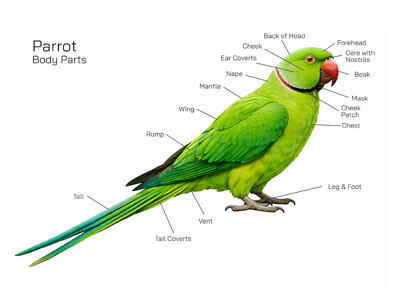
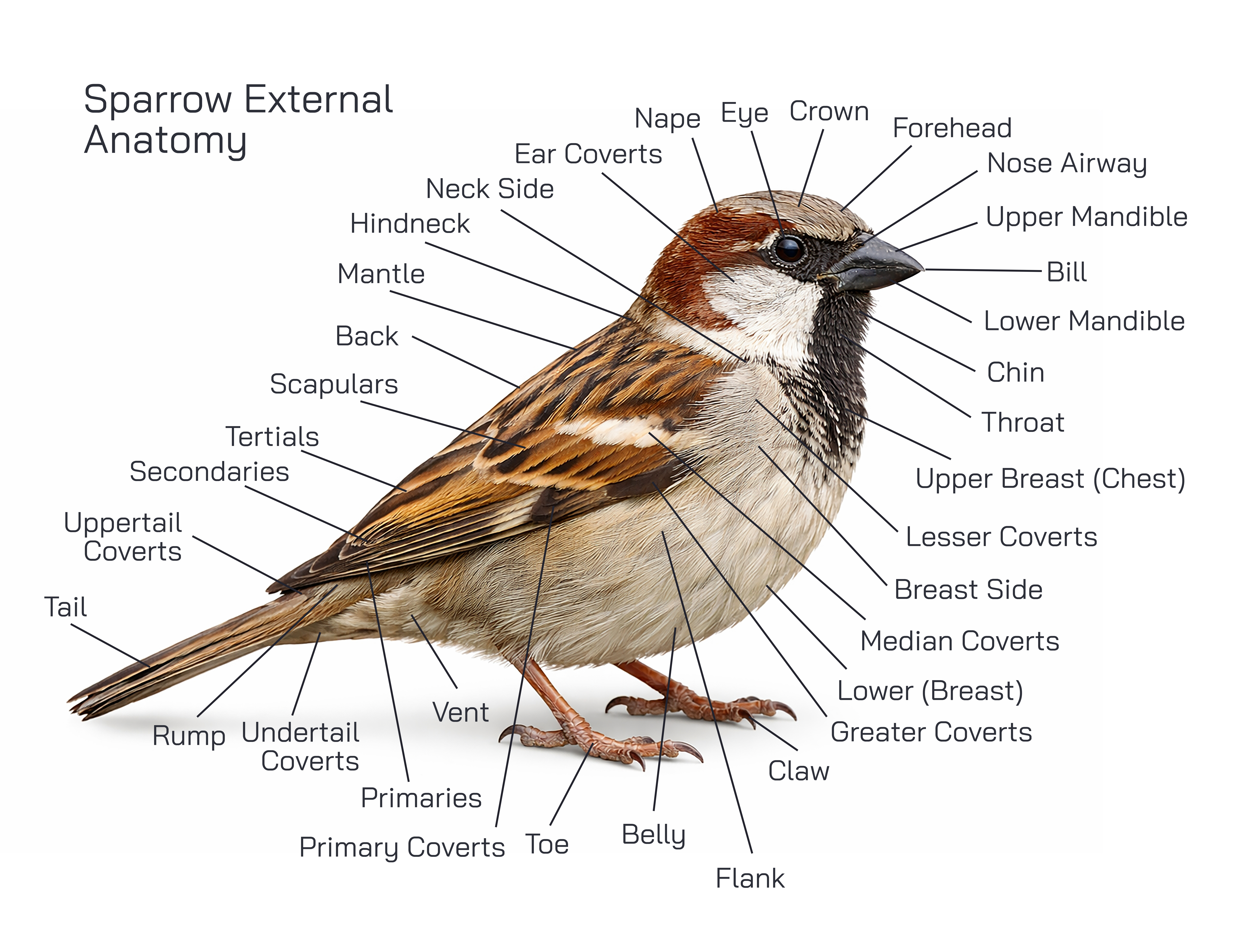
The external anatomy of a sparrow represents the visible structural features that enable this small bird to survive, move, feed, and adapt efficiently to its environment. Sparrows are passerine birds, commonly known as perching birds, and their external body structure is highly specialized for flight, perching, feeding on grains and insects, and maintaining body temperature. Studying sparrow external anatomy helps in understanding general bird morphology and provides insight into how structure supports function in avian life.
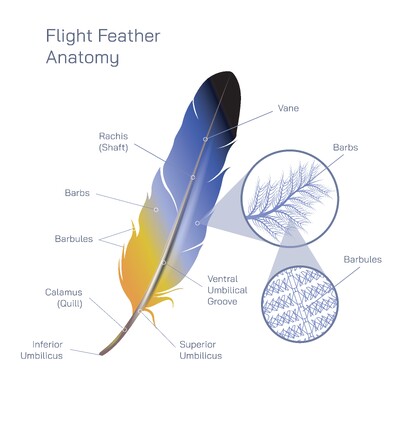
The body of a sparrow is divided into three main external regions: the head, the trunk, and the tail. Each of these regions carries specific structures that perform essential biological functions. The entire body is covered with feathers, which are one of the most distinctive features of birds. Feathers provide insulation, protection, flight capability, and camouflage.
The head region of the sparrow contains several important external features. At the front of the head is the beak, also known as the bill. The beak is composed of an upper mandible and a lower mandible. In sparrows, the beak is short, conical, and strong, making it well suited for cracking seeds and picking up small food particles. The beak lacks teeth and is covered by a hard, keratinized layer that protects it from wear and tear. Near the base of the beak are the nostrils or nasal openings, which allow air to enter the respiratory system.
The eyes are positioned on either side of the head, providing the sparrow with a wide field of vision. This lateral placement helps detect predators and locate food. Surrounding the eyes are small feathers that offer protection and streamline the head. Slightly behind the eyes are the ear openings, which are not externally visible as ears but are covered by specialized feathers called ear coverts. These ear coverts protect the auditory opening while still allowing sound waves to pass through.
The top of the head is known as the crown, while the area between the beak and crown is called the forehead. The region behind the crown is the nape, which connects the head to the neck. The neck itself is flexible and allows the sparrow to turn its head easily, aiding in feeding, grooming, and vigilance.
The trunk region forms the main body of the sparrow and includes the chest, back, wings, and abdomen. The upper surface of the trunk includes the mantle and back, which are covered with contour feathers that give the bird its characteristic shape and coloration. These feathers protect the body and help with camouflage in natural surroundings.
The chest or breast region is located on the front side of the trunk. It is well developed and houses strong flight muscles beneath the surface. The breast feathers are often lighter in color and help streamline the bird’s body during flight. Below the breast lies the belly and flank region, which covers the sides of the abdomen. These areas are protected by softer feathers that also contribute to insulation.
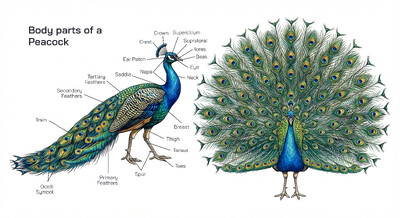
One of the most important features of sparrow external anatomy is the wings. Each wing is attached to the trunk and is adapted for flight. Wings are covered with different types of feathers, each serving a specific function. The longest feathers at the edge of the wing are called primary feathers. These feathers are responsible for generating thrust during flight. Adjacent to the primaries are the secondary feathers, which provide lift and stability. Tertiary feathers are located closer to the body and help streamline the wing.
Covering the bases of these flight feathers are the wing coverts, which include greater coverts, median coverts, and lesser coverts. These feathers protect the underlying flight feathers and contribute to smooth airflow over the wings. The scapulars are feathers located near the shoulder region, connecting the wings to the back and assisting in wing movement.
The tail region of the sparrow plays a crucial role in balance, steering, and braking during flight. The tail consists of tail feathers arranged in a fan-like manner. These feathers help the bird change direction in midair and maintain stability while perching. Above the tail are the upper tail coverts, which cover the base of the tail feathers. Below the tail are the undertail coverts, which protect the vent area.
The vent is the external opening through which digestive and reproductive wastes are expelled. It is located on the underside of the trunk near the base of the tail. This opening is common to birds and is a key feature of avian anatomy.
The legs of the sparrow are adapted for perching and hopping. Each leg is covered with scales rather than feathers, providing durability and grip. The foot typically has four toes, three directed forward and one backward. This arrangement, known as anisodactyl, allows sparrows to grasp branches and wires securely. At the end of each toe is a sharp claw that enhances grip and stability.
The external anatomy of a sparrow also includes subtle features related to feather arrangement. Feathers are organized into tracts called pterylae, separated by bare areas known as apteria. This arrangement reduces weight and allows efficient insulation. Feathers serve multiple purposes, including thermoregulation, protection from rain, display, and communication.
Coloration and patterning of sparrow feathers contribute to camouflage and species recognition. The combination of brown, gray, black, and white feathers helps sparrows blend into their surroundings, reducing the risk of predation. Sexual dimorphism may be present in some sparrow species, where males and females show slight differences in external appearance.
The external anatomy of sparrows reflects adaptation to their ecological niche. Their compact body, strong wings, lightweight feathers, and specialized beak make them highly efficient at flying short distances, foraging on the ground, and living close to human habitats. Each external structure works together to support survival and reproduction.
From an educational perspective, sparrow external anatomy is commonly used in biology and zoology studies to introduce students to avian structure. Labeled diagrams help learners identify different body parts and understand how form relates to function. Observing sparrows in nature further reinforces these concepts by showing anatomy in action.
In conclusion, the external anatomy of a sparrow includes the head with its beak, eyes, and ear coverts; the trunk with wings, breast, back, and abdomen; and the tail and legs adapted for flight and perching. Feathers, wings, tail, and claws work together to enable movement, feeding, balance, and protection. Studying sparrow external anatomy provides a clear understanding of bird morphology and highlights the remarkable adaptations that allow birds to thrive in diverse environments.