Tomato, scientifically known as Solanum lycopersicum, is one of the most widely consumed plant foods in the world, valued for its nutritional richness, pleasant taste, and remarkable versatility. Although botanically classified as a fruit, it is commonly treated as a vegetable in culinary traditions. Tomatoes have become deeply embedded in global diets due to their accessibility, adaptability, and health-supporting properties.
From a nutritional perspective, tomatoes are highly regarded for their antioxidant content. One of the most notable compounds found in tomatoes is lycopene, a naturally occurring pigment responsible for the red color. Lycopene is widely studied for its role in protecting cells from oxidative damage and supporting long-term health. Tomatoes also supply essential vitamins that contribute to immune resilience, skin maintenance, and visual health. Their mineral content supports fluid balance, nerve signaling, and metabolic efficiency.
Tomatoes are naturally high in water content, which contributes to hydration and digestive comfort. Their low calorie nature makes them suitable for balanced eating patterns and weight-conscious diets. Regular consumption supports digestive efficiency due to gentle fiber presence, which helps maintain bowel regularity without heaviness. The natural acids present in tomatoes stimulate appetite and aid digestion, enhancing nutrient absorption from meals.
Health benefits of tomatoes extend to cardiovascular wellness. Nutrients and antioxidants found in tomatoes support healthy circulation and help maintain balanced cholesterol levels when included as part of a varied diet. Tomatoes are also associated with skin protection, as their compounds help defend against environmental stress and support natural skin repair mechanisms.
In culinary use, tomatoes are among the most adaptable ingredients available. They can be eaten fresh, cooked, blended, or preserved without losing their core identity. Fresh tomatoes are commonly used in salads, sandwiches, and garnishes, where their juiciness and mild acidity add brightness. Cooked tomatoes form the base of sauces, soups, stews, and curries, where heat enhances depth and richness.
Tomatoes are essential in many global cuisines. They play a central role in Mediterranean cooking, form the foundation of numerous sauces, and are indispensable in street food and home cooking alike. Their ability to blend with herbs, spices, oils, and proteins makes them suitable for countless flavor profiles.
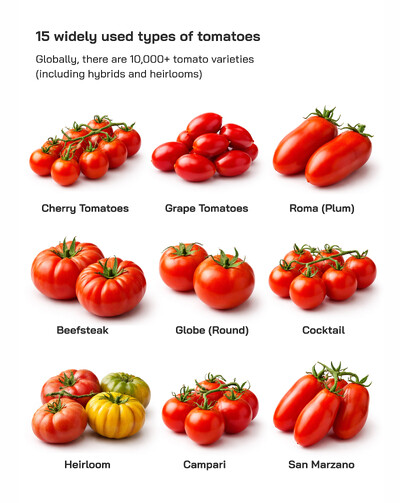
There are many tomato types, each suited to different culinary purposes. Cherry tomatoes are small, round, and naturally sweet, often used fresh. Roma and plum tomatoes are firmer with lower moisture content, making them ideal for sauces and cooking. Beefsteak tomatoes are large and juicy, commonly sliced for sandwiches and burgers. Heirloom varieties offer diverse shapes, colors, and flavor profiles, reflecting traditional cultivation methods.
Taste is one of the defining characteristics of tomatoes. Depending on variety and ripeness, tomatoes can range from sweet to mildly tangy. This balance of sweetness and acidity contributes to their universal appeal. Texture also varies, with some tomatoes offering a soft, juicy interior while others provide a firmer bite that holds shape during cooking.
Availability is a major reason for tomato popularity. Tomatoes are cultivated in open fields, protected environments, and greenhouse systems, allowing year-round supply in many regions. They grow well in both tropical and temperate climates, making them accessible across continents. Seasonal cycles influence flavor intensity, but modern farming ensures continuous market presence.
Globally, tomatoes are among the most traded and consumed food crops. Their affordability, ease of preparation, and nutritional contribution support widespread use in households, restaurants, and food industries. Tomatoes also serve as raw material for processed products such as pastes, purees, and preserved foods, extending their usability beyond fresh consumption.
Tomatoes also contribute to human health through their influence on inflammatory balance in the body. Certain naturally occurring compounds in Solanum lycopersicum are associated with helping the body regulate inflammatory responses that arise from daily stress, physical exertion, or environmental exposure. When tomatoes are consumed regularly as part of a diverse diet, they support the body’s natural ability to maintain equilibrium, which is increasingly recognized as important for long-term wellness and comfort. This subtle but consistent support adds to their reputation as a gentle, everyday health-promoting food rather than a short-term remedy.
Another lesser-discussed benefit of tomatoes lies in their role in supporting eye comfort beyond basic visual health. The combination of plant pigments and micronutrients in tomatoes contributes to protecting eye tissues from light-induced stress, particularly in modern environments with prolonged screen exposure. Including tomatoes in meals helps reinforce dietary patterns that support eye resilience over time, especially when combined with other colorful plant foods that provide complementary compounds.
Tomatoes also interact positively with gut health through more than just fiber. Their natural acids and plant compounds help create a digestive environment that supports efficient nutrient breakdown and absorption. This can enhance the overall nutritional value of meals, especially those containing grains and proteins. Rather than acting as a heavy digestive load, tomatoes often improve meal digestibility, which is one reason they are traditionally paired with complex dishes across cultures.
Environmental adaptability is one of the strongest reasons for the global dominance of tomatoes. Solanum lycopersicum can be cultivated using diverse methods, from soil-based systems to modern soilless techniques. This flexibility allows tomatoes to be grown in regions with limited arable land or challenging soil conditions. Urban farming, rooftop gardens, and vertical systems increasingly rely on tomatoes because of their manageable root structure and predictable growth behavior, expanding access to fresh produce in densely populated areas.
Tomatoes also play an important role in reducing seasonal dietary gaps. In regions where fresh produce availability fluctuates, preserved tomato products provide a reliable source of plant-based nutrients throughout the year. These preserved forms help stabilize diets during off-seasons, ensuring continuity of flavor and nourishment. This capacity to bridge seasonal limitations has strengthened tomatoes’ position as a staple ingredient worldwide.
From a culinary innovation standpoint, tomatoes continue to inspire new food applications. Chefs and food producers experiment with fermentation, slow roasting, and concentration techniques to unlock deeper flavor profiles. These methods transform tomatoes into complex ingredients that add umami richness without relying on artificial additives. This natural flavor-enhancing ability increases tomatoes’ relevance in modern cooking focused on clean and minimal ingredient lists.
Tomatoes are also significant in supporting dietary inclusivity. They are naturally compatible with a wide range of dietary patterns, including plant-based, traditional, and mixed diets. Because they are widely accepted across cultural and religious food practices, tomatoes serve as a unifying ingredient that transcends regional boundaries. This universality makes them particularly valuable in global food systems that aim to accommodate diverse populations.
In terms of global availability, tomatoes benefit from efficient seed distribution and standardized cultivation knowledge. Farmers across continents have access to proven growing techniques, allowing consistent production even in new regions. This shared agricultural knowledge base reduces barriers to entry for tomato cultivation, helping maintain steady global supply and preventing regional shortages.
Tomatoes also influence food aesthetics, which plays an important role in eating behavior. Their vibrant color enhances visual appeal, making meals more inviting and encouraging consumption of home-prepared foods. Visual satisfaction is increasingly recognized as a factor in healthy eating habits, as attractive meals promote mindful consumption and reduce reliance on heavily processed alternatives.
In public nutrition programs, tomatoes are often included because they deliver multiple benefits in a single ingredient. They provide hydration, flavor, and nutritional support without requiring complex preparation. This practicality makes them suitable for large-scale meal planning in institutions, community kitchens, and food assistance initiatives, further reinforcing their global importance.
From an environmental nutrition perspective, tomatoes offer a favorable balance between resource input and dietary output. Compared to some other crops, they can deliver substantial nutritional value within relatively short growing cycles. This efficiency supports food systems seeking to optimize land and water use while meeting rising population demands.
Tomatoes also support culinary education and food literacy. Because they are commonly used in basic cooking, they often serve as an entry point for teaching food preparation skills. Learning to cook with tomatoes helps individuals develop confidence in preparing meals at home, indirectly supporting healthier eating patterns and reduced dependence on processed foods.
The continued popularity of Solanum lycopersicum reflects its ability to evolve alongside human needs. As lifestyles change and environmental challenges intensify, tomatoes remain adaptable, accessible, and nutritionally relevant. Their health-supporting properties, environmental flexibility, broad culinary uses, and reliable global availability ensure that tomatoes will continue to play a central role in diets worldwide. Rather than being a simple ingredient, tomatoes represent a dynamic intersection of nutrition, culture, agriculture, and sustainability that continues to grow in importance across generations.
In summary, tomato is a nutritionally valuable, health-supporting, and culturally significant food. Its antioxidant content, hydration benefits, digestive support, and heart-friendly properties make it an important component of healthy diets. Combined with diverse varieties, enjoyable taste, and year-round availability, Solanum lycopersicum continues to be one of the most popular and essential foods in global cuisine.