Step by Step Making of Soya Chunks from Whole Beans to Textured Protein
The creation of soya chunks, widely known in food technology circles as textured vegetable protein, is one of the most impressive examples of how industrial processing can reshape a natural crop into a highly functional, nutritious, and versatile ingredient. What begins as an oilseed harvested from the field ultimately becomes a shelf-stable product that behaves remarkably like meat when cooked. This transformation is not accidental or simple. It relies on a tightly managed sequence of mechanical preparation, separation, hydration, thermal treatment, pressure control, and structural engineering. Every link in the chain influences how the final chunk will swell in water, hold spices, and deliver protein to the consumer. When examined step by step, the journey reveals a blend of agricultural knowledge, chemistry, and process design working in harmony.
The pathway usually opens with rigorous cleaning and grading of the incoming soybeans. Before any structural changes can occur, foreign materials such as stones, dust, stems, and broken seeds must be removed. Vibrating screens, magnetic separators, and air aspirators help create a uniform starting point. Uniformity is essential because later equipment performs best when beans are similar in size and moisture. Inconsistent raw material can lead to uneven oil removal or irregular texturing. At this early stage, processors are already thinking ahead to the behavior of proteins inside the extruder, even though the beans still appear whole and untouched.
Dehulling follows as the first true transformation. The protective outer skin is valuable in agriculture, yet in protein manufacturing it dilutes quality. By cracking the beans and separating the hulls through aspiration or screening, plants increase the relative protein concentration and improve color. Removing the fibrous coat also enhances digestibility and produces a cleaner flavor profile. The inner cotyledons, now freed from their covering, are more receptive to the treatments that will come next. What looks like a minor mechanical step actually determines how refined and appealing the finished chunks will appear on the plate.
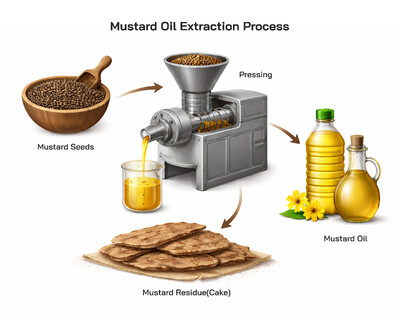
Once dehulled, the kernels move toward oil removal, a defining moment in the entire process. Soybeans naturally contain a significant proportion of fat, but textured protein requires the opposite environment. Proteins must be able to interact directly with one another, forming bonds that give strength and chewiness. Mechanical presses may squeeze part of the oil away, while solvent systems dissolve the remainder and later recover it for separate refining. The outcome is defatted soybean meal, a pale, protein-rich material that provides the backbone of future texture. The oil extracted here becomes cooking oil, margarine components, or industrial inputs, ensuring that nothing is wasted.
Grinding converts the meal into flour, increasing surface area and improving mixing efficiency. Particle size matters because hydration must be even throughout the mass. If some particles remain dry while others are wet, the extruder will treat them differently, leading to weak spots or crumbling pieces. Milling technology therefore aims for a consistent, fine distribution that will respond predictably when water and heat arrive. At this point the material is still relatively bland and powdery, yet it holds enormous potential for restructuring.
Hydration introduces life into the flour. Precise amounts of water are blended in mixers that create a pliable dough. Proteins absorb moisture, unfold from their compact natural shapes, and become ready to realign. Temperature may be raised slightly to encourage this mobility. The aim is not cooking in the traditional sense but preparing the molecular building blocks for reassembly. Manufacturers sometimes add minor ingredients to improve flow or stability, but protein remains the star performer. Achieving the right balance of moisture is critical, as it governs expansion, density, and ultimately the bite consumers will experience.
Extrusion then delivers the dramatic metamorphosis. Within the barrel, rotating screws knead and push the hydrated mass forward. Friction, compression, and external heating elevate temperature and pressure simultaneously. Under these intense conditions, proteins stretch and organize into elongated networks. When the material finally exits through a shaped opening, the sudden pressure drop causes internal steam to puff the structure. This expansion creates pores and fibers that resemble animal tissue. Seconds earlier the mixture was dough; now it carries the springy resilience associated with meat analogues. The extruder is both a cooker and an architect, designing texture in real time.
Cutting and shaping refine the extruded stream into practical forms. Knife assemblies determine whether the plant produces nuggets, mini chunks, or fine granules. Even small adjustments influence cooking performance, since thickness affects water uptake. Producers tailor shapes to match regional cuisines, recognizing that culinary expectations differ from one market to another. The pieces may pass through dryers where warm air reduces moisture to safe storage levels. Drying stabilizes the protein network and prevents microbial growth, allowing the product to travel long distances without refrigeration.
Cooling and screening ensure structural integrity. Newly dried chunks are still fragile, so controlled airflow brings them to ambient temperature gradually. Broken fragments are removed or recycled, maintaining consistency in the package. At this stage, quality control laboratories evaluate bulk density, rehydration capacity, and protein percentage. These tests confirm that the invisible chemistry inside the chunk will translate into reliable kitchen behavior. Manufacturers know that trust is built not only on nutrition labels but also on predictable performance in everyday cooking.
While the principal operations of dehulling, defatting, hydration, and extrusion define the skeleton of textured vegetable protein manufacture, the story becomes even richer when one looks deeper into how manufacturers fine-tune performance. Modern plants do not simply aim to create a chunk that looks uniform; they design a product that behaves predictably across thousands of kitchens, cooking fuels, recipes, and cultural preferences. Achieving that level of reliability requires attention to subtle variables such as protein solubility, particle porosity, and rehydration kinetics. Behind the scenes, technicians and engineers constantly measure, adjust, and recalibrate to make sure that each batch mirrors the last.
Protein quality begins long before extrusion. Agronomists work with farmers to select soybean varieties that provide desirable amino acid profiles and functional characteristics. Factors such as growing climate, soil nutrition, and harvest timing influence protein strength and oil content. When beans arrive at the factory, sampling protocols evaluate moisture, damage, and composition. This information helps operators predict how aggressively they must process the material during oil extraction or how much water it will require later. In this way, the industrial chain is closely tied to agricultural science, forming a continuous partnership from field to factory floor.
After defatting, thermal history becomes particularly important. Excessive heat at the wrong moment can reduce solubility or create off-flavors, while insufficient treatment may leave anti-nutritional components active. Many facilities therefore use carefully staged heating, allowing proteins to remain reactive enough for extrusion but stable enough for long storage. The objective is balance. Food technologists often describe this as preparing proteins to be cooperative, meaning they will reorganize into strong fibers once mechanical energy is applied.
During hydration, mixing technology has advanced far beyond simple blending. Modern systems monitor torque, viscosity, and moisture distribution in real time. These readings reveal whether the dough is developing correctly. Uniform hydration ensures that when the mass enters the extruder, every portion experiences similar transformation. Without this control, some fragments might overexpand while others stay dense, creating inconsistent mouthfeel. The better the mixing, the more harmonious the final structure.
Inside the extruder, precision reaches its peak. Screw configuration determines residence time, shear intensity, and temperature gradient. Engineers can modify these elements to encourage particular textures, from spongy to fibrous. Venting systems may release excess steam, while specialized dies influence expansion patterns. The artistry of extrusion lies in manipulating physical forces so that proteins align into networks strong enough to survive boiling in a consumer’s kitchen. It is a brief but decisive stage where chemistry, physics, and mechanical design intersect.
Drying, often underestimated, is equally strategic. Rapid moisture removal can cause cracking, whereas slow drying may compromise efficiency. Air temperature, humidity, and flow rate are chosen to preserve pore structure while achieving microbial safety. The aim is to lock the architecture in place. Properly dried chunks rehydrate evenly, swelling without disintegrating. This ability to return from a lightweight state to a tender, juicy form is central to their popularity.
Flavor neutrality is another engineered attribute. Because most of the oil and hull components have been removed, the base material carries only mild bean notes. This neutrality allows cooks to transform the product using spices, broths, or marinades. Some manufacturers lightly toast the pieces to develop subtle nutty tones, but restraint is key. Too strong a flavor would limit culinary flexibility. Maintaining a delicate background taste ensures the chunks can travel across cuisines, from richly spiced gravies to simple stir-fries.
Packaging protects the achievement. Moisture-resistant materials guard against humidity, while oxygen barriers slow flavor changes. Clear labeling communicates preparation methods, encouraging consumers to soak or boil the chunks before seasoning. Although the industrial phase is complete, the product’s transformation continues in the home, where it absorbs water and spices just as it absorbed heat and pressure earlier. The factory, in essence, prepares a framework that the cook will finish.
Beyond mechanics, sustainability plays an increasing role in modern facilities. Efficient solvent recovery, energy-saving dryers, and reuse of by-products reduce environmental impact. Research teams explore ways to enhance amino acid balance or incorporate micronutrients, expanding the health value of the final food. Innovations in extrusion design allow finer control over fiber orientation, leading to textures that satisfy evolving consumer expectations. Thus the journey from bean to chunk remains dynamic, continually refined through science.
Viewed as a whole, the manufacture of soya chunks demonstrates how deliberate manipulation of structure can unlock remarkable versatility. Each stage removes something unnecessary or adds something purposeful. Hulls depart, oil exits, water enters, heat organizes, pressure expands, blades divide, and air preserves. The soybean is not merely processed; it is reimagined. What reaches the market embodies the accumulated expertise of agriculture, engineering, and nutrition working together to create a dependable source of plant protein.
Nutritional stability remains a constant priority. Proteins must retain digestibility, vitamins must survive processing, and contamination risks must stay minimal. Plants employ hazard monitoring systems, hygienic design principles, and frequent audits. Air filtration, stainless steel surfaces, and automated cleaning routines prevent unwanted microorganisms from interfering with the product. What appears to be a dry commodity is in fact the result of meticulous safeguarding.
Economic accessibility also shapes the process. By extracting oil for separate sale, manufacturers create multiple revenue streams that keep the protein affordable. Efficient use of energy and recycling of heat lower production costs, enabling the final package to reach households at reasonable prices. This affordability has helped soya chunks become an important nutritional support in many regions, offering high protein content without dependence on livestock.
Consumer education forms the last link. Instructions printed on packages guide users through soaking, boiling, or simmering, effectively reversing some of the dehydration carried out in the factory. As water returns, the internal pores fill and the fibers soften, bringing the structure closer to the texture originally designed during extrusion. The cook completes the transformation, but the groundwork was laid by every earlier decision.
Looking forward, research continues to expand what textured protein can achieve. Scientists experiment with blending soy with other plant sources, altering fiber orientation, or improving micronutrient delivery. Advances in automation promise even tighter control, reducing variability further. Yet the fundamental narrative remains the same: remove what interferes, mobilize the proteins, organize them through heat and pressure, and stabilize the result.
In appreciating these additional layers, the humble soya chunk becomes more than a substitute ingredient. It stands as evidence of how deeply understanding raw materials can lead to innovative, sustainable foods. The voyage from whole bean to structured protein is a dialogue between nature and engineering, each respecting the other’s strengths. Through disciplined process management and creative problem solving, manufacturers convert agricultural abundance into dependable nourishment for millions of people.
Beyond the fundamental production stages, the world of soya chunk manufacturing contains layers of refinement that are rarely visible to consumers yet profoundly influence quality, usability, and market success. Once a factory has mastered the mechanical pathway from bean to structured protein, attention shifts toward optimization, differentiation, and assurance. Companies ask new questions: How can the product hydrate faster? How can its bite remain pleasant after prolonged cooking? How can nutrients remain stable through months of storage in hot climates? These challenges inspire continuous innovation that goes far beyond the core flow of operations.
One important dimension is protein functionality engineering. Not all proteins behave identically under stress. Even within soybean varieties, subtle differences in molecular structure influence elasticity, water retention, and firmness. Research laboratories therefore run routine functional tests, evaluating parameters such as water absorption index, swelling capacity, and tensile resistance after rehydration. By mapping these behaviors, technologists can predict how the final chunks will respond in dishes ranging from quick sauté preparations to slow-simmered stews. This predictive approach allows processors to tune conditions in advance rather than reacting to defects later.
Another layer involves microstructure design. Using microscopy, scientists study the network of pores created inside each piece. The size, distribution, and connectivity of these voids determine how liquids travel during cooking. Large channels may lead to rapid hydration but weaker integrity, while finer networks produce firmer chew and slower flavor penetration. Manufacturers manipulate this internal geometry to suit culinary expectations in different markets. What a consumer in one region considers tender might be regarded as too soft elsewhere. Tailoring microstructure provides flexibility without changing the familiar identity of the product.
Shelf stability science also plays a vital role. Although soya chunks are dry, they remain sensitive to humidity and temperature fluctuations. Exposure to moisture can collapse pores or encourage spoilage, while high heat may oxidize residual components and create unwanted aromas. To prevent this, packaging engineers select laminates that balance protection with cost efficiency. Accelerated aging studies simulate months of storage within days, revealing how texture and taste might evolve over time. These trials guide improvements long before issues reach store shelves.
Modern facilities increasingly rely on digital monitoring systems. Sensors positioned throughout the plant record flow rates, energy use, and environmental conditions. Data analytics platforms compare real-time information with historical patterns, flagging deviations before they become problems. If a shift in humidity begins to alter drying behavior, adjustments can be made instantly. This proactive strategy minimizes waste and ensures that customers receive consistent results regardless of production date.
A fascinating but less discussed aspect is culinary performance modeling. Food scientists recreate common home recipes under controlled conditions to understand how chunks behave in realistic settings. They examine how long boiling should last, how spices diffuse, and how the product interacts with fats or acids. Insights from these experiments influence not only processing but also the instructions printed on packaging. In essence, factories design the product with the final meal already in mind.
Soya chunk production also intersects with global nutrition initiatives. Because the product is rich in protein and relatively inexpensive, governments and humanitarian organizations often include it in feeding programs. To meet these applications, manufacturers may adapt size, density, or fortification levels. Iron, vitamin B complexes, or other micronutrients can be incorporated so that each serving contributes more effectively to dietary needs. Such adjustments demonstrate how industrial flexibility can serve public health goals.
Waste valorization represents another frontier of development. By-products generated along the chain are examined for secondary uses, whether in animal feed, fermentation substrates, or energy recovery. Efficient utilization reduces environmental footprint and strengthens economic sustainability. Plants that once viewed side streams as disposal challenges now treat them as opportunities for innovation.
Consumer preferences continue to evolve, and producers respond with texture customization. Some markets prefer softer, quickly rehydrating pieces, while others seek firmer bites that mimic specific meats. Adjusting internal density allows companies to create families of products from the same base material. This diversity expands culinary possibilities without demanding entirely new supply chains.
Education and communication form a subtle yet powerful component of the industry. Demonstrations, recipe partnerships, and community outreach help people understand how to prepare the product effectively. When consumers achieve satisfying results, trust grows, reinforcing the reputation of plant-based proteins. Manufacturers recognize that success depends not only on engineering excellence but also on culinary confidence.
Looking ahead, advances in biotechnology may unlock even greater precision. Researchers explore enzymes that could modify proteins gently before extrusion, guiding how fibers form later. Others investigate methods for improving aroma neutrality or enhancing juiciness during cooking. These explorations illustrate that the evolution of soya chunks is far from complete.
By examining these additional perspectives, the production of textured protein emerges as a living system rather than a fixed routine. Continuous measurement, adaptation, and learning shape every improvement. The soybean provides the raw potential, but it is human creativity and technical discipline that translate that potential into dependable nourishment. Each innovation strengthens the bridge between agriculture and the dinner table, ensuring that soya chunks remain relevant in a rapidly changing food landscape.
Understanding this progression deepens appreciation for the humble nugget simmering in a curry or folded into a sauce. Behind its ability to soak up flavor lies a history of careful decisions made at every step of production. The industrial narrative shows that food technology can honor tradition while meeting modern demands. By guiding proteins through stages of preparation and transformation, manufacturers convert a simple seed into a resilient ingredient that supports diverse diets around the world.