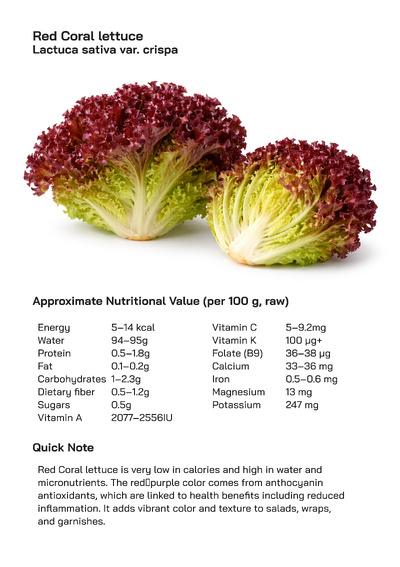
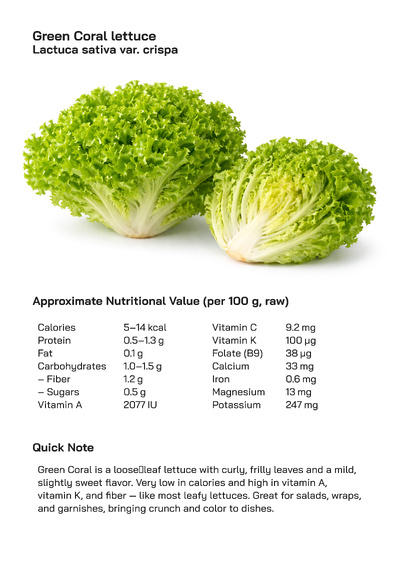
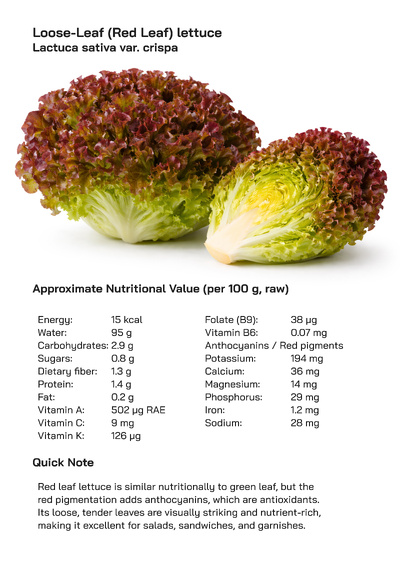
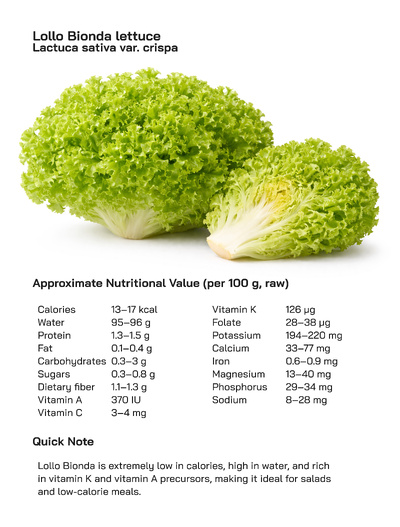
Red Boston Butterhead lettuce, botanically identified as Lactuca sativa var. capitata, is admired for its delicate leaves, attractive coloration, and refined eating quality. As a member of the Butterhead family, it shares the tender, pliable structure that makes these lettuces so desirable, yet it stands apart through its beautiful red to burgundy hues. The visual appeal of its foliage, combined with a mild and slightly sweet flavor, has elevated Red Boston to a prominent place in both gourmet cuisine and everyday meals. Around the world, consumers recognize it as a premium leafy green that delivers elegance as well as nourishment.
The plant forms a loose, rounded head composed of overlapping leaves that cradle one another in soft layers. Outer leaves often display deeper pigmentation, while inner portions remain lighter and more delicate. This gradient creates an appealing contrast that chefs frequently use to enhance presentation. The leaves are thin, supple, and easy to separate, which makes preparation simple. Their flexibility allows them to hold dressings or fillings while still maintaining a gentle bite.
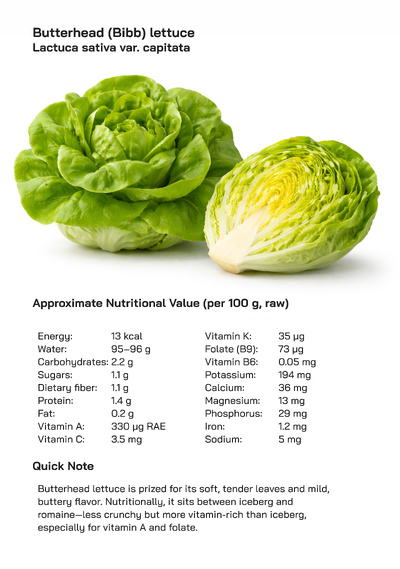
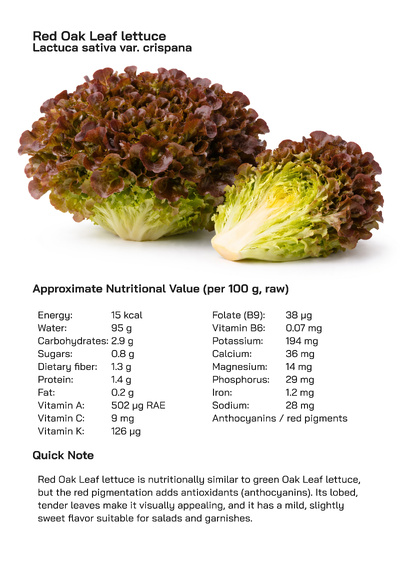
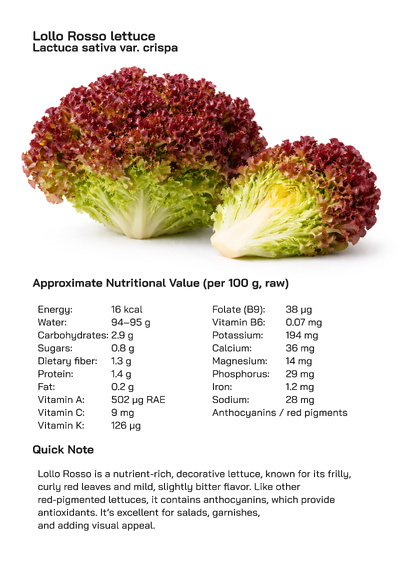
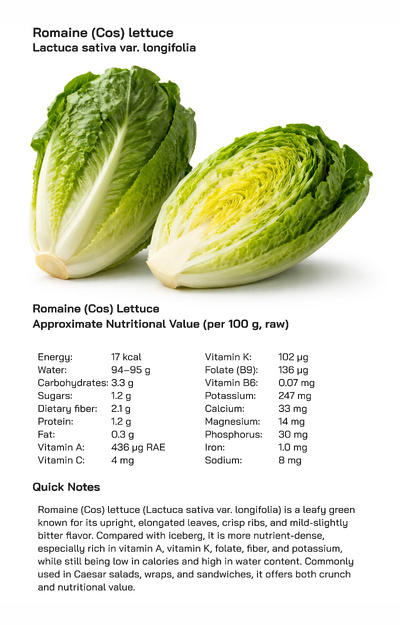
From a nutritional standpoint, Red Boston Butterhead lettuce provides hydration and essential micronutrients while remaining light in energy content. Its high water percentage contributes to refreshing qualities that are especially welcome in warm weather or as a counterpoint to richer foods. The lettuce contains dietary fiber that supports digestive health, along with vitamins such as A and K that play roles in vision, immunity, and bone function. Pigments responsible for the reddish coloration are associated with antioxidant activity, adding another dimension to its health profile.
The health benefits of Red Boston lettuce are best understood within the context of a diet rich in vegetables. Regular inclusion of tender leafy greens supports overall wellness and encourages balanced eating habits. Because Red Boston is mild and visually inviting, it often increases the appeal of salads and vegetable-based dishes. This can help people incorporate more plant foods into their daily routines without feeling overwhelmed by strong flavors.
Culinary use is where Red Boston truly shines. It is frequently chosen for fresh salads where color contrast enhances the final dish. The leaves pair well with citrus, berries, nuts, cheeses, and light vinaigrettes. Their softness allows them to absorb flavor while still maintaining structure. In addition, the cup-like shape of individual leaves makes them ideal for wraps or elegant appetizers. Restaurants value this lettuce not only for taste but also for the aesthetic dimension it brings to plating.
Agriculturally, Red Boston Butterhead lettuce is appreciated for manageable cultivation and strong market demand. It grows well in cool to moderate climates and can be produced in open fields, greenhouses, or controlled hydroponic environments. The delicate leaves require careful handling, but efficient post-harvest practices help maintain quality from farm to consumer. Its distinctive color helps it stand out in produce displays, encouraging buyers to choose it over less visually striking options.
Global popularity has increased alongside growing interest in fresh, minimally processed foods. Consumers seeking vibrant ingredients that align with healthy lifestyles often gravitate toward Red Boston. The lettuce appears in a wide range of culinary traditions, demonstrating its ability to cross cultural boundaries while retaining its identity as a refined green.
Culturally, Red Boston represents sophistication combined with natural simplicity. Its tender leaves and rich color evoke ideas of care, freshness, and culinary artistry. These associations reinforce its premium status and contribute to ongoing demand in markets worldwide.
Red Boston Butterhead occupies a fascinating niche within modern horticulture because its value is driven as much by nuance as by necessity. Markets already offer abundant leafy vegetables, yet this variety continues to command attention thanks to subtle differentiators in texture, appearance, and eating experience. Producers therefore approach it with a mindset closer to specialty crop stewardship than commodity farming. Decisions about sowing density, nutrient management, and harvest maturity are calibrated to preserve traits that consumers perceive immediately, even if they cannot easily articulate them. In this way, Red Boston reflects how agriculture increasingly responds to refined expectations.
Plant scientists examining pigmentation patterns find that the distribution of red tones across the leaf surface is influenced by interactions among light exposure, temperature variation, and genetic background. Controlled stress at specific growth stages can intensify coloration without compromising vitality. Such findings have encouraged experimentation in greenhouse lighting strategies, including the use of tailored spectra that guide development. Through these practices, growers can produce visually consistent harvests that align with retailer requirements and culinary demand.
Beyond color, leaf metabolism during growth affects aromatic compounds that contribute to the overall sensory impression. Though subtle, these volatiles influence how diners interpret freshness. Researchers use analytical tools to map how post-harvest handling shapes their retention. Rapid cooling, gentle airflow, and protective packaging all play roles in maintaining the qualities that define premium produce. Maintaining integrity from field to fork is therefore both a scientific and logistical challenge.
Interest in human nutrition has broadened to include how plant diversity supports dietary satisfaction. Red Boston can encourage variety not only because of its flavor but because of its visual drama. Meals that incorporate multiple colors tend to feel more abundant, which may enhance psychological satiety. When individuals feel pleased with what they eat, adherence to wholesome patterns becomes easier. In this sense, the lettuce contributes indirectly to long-term health by supporting positive relationships with food.
There is also growing attention to culinary ergonomics, the way ingredients behave during preparation. The ease with which leaves separate, rinse, and arrange can influence kitchen efficiency. Professional operations handling large volumes appreciate ingredients that reduce labor without sacrificing elegance. Red Boston’s cooperative nature in this regard has helped secure its place in catering, hospitality, and institutional dining.
Economic geography reveals interesting migration patterns for production. Regions with mild climates and access to transport corridors often specialize in butterhead varieties, supplying distant urban centers. Investment in refrigerated logistics allows delicate leaves to travel while retaining appeal. These networks connect rural landscapes with metropolitan consumers, shaping employment and regional identity. The lettuce thus participates in stories of development and trade that extend far beyond culinary boundaries.
Sustainability discourse increasingly evaluates inputs such as fertilizers and crop protection measures. Integrated approaches aim to minimize impact while preserving yield. Biological controls, habitat management for beneficial insects, and careful monitoring of nutrient runoff are part of this toolkit. Producers who succeed in balancing environmental care with economic viability contribute to the crop’s long-term future, ensuring that demand can be met responsibly.
Technological innovation continues to redefine what is possible. Automation in transplanting and harvesting reduces physical strain on workers and improves uniformity. Digital traceability systems allow retailers and consumers to follow produce back to its origin, strengthening transparency. Such capabilities respond to public interest in knowing how food is grown and handled, and they can reinforce confidence in perishable goods.
Culinary education has embraced Red Boston not only for flavor but also for teaching aesthetics. Students learn how contrast, layering, and negative space affect perception on the plate. Because the leaves possess natural curvature and tonal variation, they become ideal materials for exploring design principles. Through repeated use in training environments, the lettuce influences future trends in presentation.
Media and publishing amplify these influences. Cookbooks, food photography, and restaurant marketing rely on ingredients that communicate freshness instantly. Red Boston’s appearance fulfills that need, helping images resonate with audiences. As these visuals circulate, they reinforce desirability and normalize inclusion of colorful greens in everyday meals.
Consumer research indicates that purchasing decisions often involve emotion as much as rational evaluation. The inviting look of tender leaves can evoke comfort, care, or celebration. When shoppers associate such feelings with a product, loyalty can develop quickly. Retailers respond by maintaining displays that highlight vibrancy and by rotating stock to ensure optimal condition.
Community initiatives aimed at reconnecting people with agriculture frequently showcase distinctive crops to spark curiosity. School gardens, demonstration farms, and public workshops may feature Red Boston because it grows relatively quickly and produces striking results. Participants who harvest it themselves often gain new appreciation for freshness and effort, deepening engagement with food systems.
Looking toward future challenges, breeders are exploring ways to enhance tolerance to heat and variable moisture while preserving signature traits. Climate change introduces uncertainty, and adaptability will be essential. Success will depend on collaboration across disciplines, from genetics and agronomy to marketing and culinary arts.
When viewed through these additional lenses, Red Boston emerges as more than an attractive leaf. It becomes a point of convergence for innovation, education, commerce, and environmental responsibility. Each head embodies a network of decisions and relationships that stretch from seed laboratories to dining rooms. Recognizing this complexity enriches understanding and invites continued curiosity about how such a delicate vegetable maintains enduring global relevance.
Continuing the wider examination of Red Boston Butterhead, it is worth considering how consumer expectations evolve over time and how the variety adapts to those shifting ideals. Modern shoppers often seek produce that communicates authenticity, craftsmanship, and a sense of connection to nature. Red Boston, with its nuanced coloration and handcrafted appearance, aligns naturally with these desires. Even when grown in technologically advanced systems, it retains an artisanal aura that bridges innovation with tradition. This dual identity helps it remain relevant in markets that value both progress and heritage.
Sociologists of food point out that ingredients frequently gain meaning through the rituals that surround them. In many households, washing and arranging tender leaves becomes a quiet moment of care before a meal. Because Red Boston invites gentle handling, it can encourage slower, more attentive preparation. Such rituals may strengthen appreciation for ingredients and foster mindfulness, qualities increasingly sought in contemporary lifestyles. The lettuce thus participates in shaping not only what people eat but also how they relate to eating.
The educational dimension continues beyond farms and kitchens. Nutrition outreach programs sometimes use visually distinctive vegetables to capture attention during demonstrations or public events. When participants are drawn in by color and form, educators can more easily discuss topics such as balanced meals or seasonal availability. Red Boston therefore functions as an entry point into broader conversations about diet and well-being.
In research environments, the lettuce provides a useful model for studying post-harvest physiology. Because its leaves are sensitive, scientists can observe how variables like humidity, packaging permeability, or transit duration affect quality. Findings from these experiments often translate into improvements across many leafy crops. In this way, Red Boston contributes to advancements that benefit the entire produce sector.
Culinary entrepreneurs continue to reinterpret the variety within emerging business models. Meal kit companies, ready-to-eat salad brands, and specialty grocers rely on ingredients that maintain character even after minimal processing. Careful selection and packing allow Red Boston to travel into these channels, expanding its reach. Consumers who might not purchase a whole head still encounter its qualities through curated offerings, reinforcing recognition.
There is also a growing dialogue around biodiversity and the preservation of cultivar heritage. Maintaining multiple lines of butterhead lettuce helps safeguard genetic resources that may prove valuable in future breeding. Seed banks and heritage farms play an essential role in this effort, ensuring that diversity remains available despite commercial consolidation. Red Boston’s continued popularity supports investment in these conservation initiatives.
Hospitality design offers another subtle avenue of influence. Restaurants emphasizing freshness often display produce openly, whether in market-style counters or open kitchens. The presence of richly tinted leaves can signal quality before a diner tastes a single bite. Visual cues like these build anticipation and frame the meal as an experience rooted in natural abundance.
At the same time, communication technologies enable closer relationships between producers and consumers. Farmers share images of fields, harvesting routines, or sustainability practices through digital platforms. Seeing the journey of Red Boston from cultivation to distribution personalizes the supply chain and can inspire trust. Transparency becomes part of the product’s value.
Psychological research into color perception suggests that deep reds may evoke warmth and depth, balancing the cool freshness typically associated with greens. When these tones coexist within a single ingredient, they create visual harmony. This harmony can subtly influence mood at the table, enhancing enjoyment. Such effects illustrate how aesthetics intersect with appetite.
Urban planners and public health advocates increasingly recognize that access to attractive produce can encourage healthier food environments. Initiatives that bring vibrant vegetables into neighborhoods through markets or mobile vendors may rely on items like Red Boston to spark interest. When availability is paired with visual appeal, participation often rises.
Future trajectories for the lettuce will likely involve even tighter integration between sustainability metrics and consumer information. Labels might one day convey data about water use, carbon footprint, or community impact. Providing such context could empower buyers to make choices aligned with personal values, deepening engagement with everyday purchases.
Through all these developments, Red Boston continues to act as a meeting ground for art and science. Its cultivation depends on rigorous knowledge, yet its success ultimately rests on emotional response. People choose it because it looks inviting, feels special, and enhances the atmosphere of a meal. That intersection of practicality and pleasure ensures its endurance.
By extending the narrative into ritual, research, entrepreneurship, conservation, design, communication, psychology, and urban health, the significance of Red Boston broadens considerably. What might begin as admiration for color becomes recognition of a complex network in which agriculture, culture, and aspiration converge. The lettuce stands as a reminder that even delicate leaves can carry profound stories about how societies nourish themselves and imagine the future of food.
In summary, Red Boston Butterhead lettuce, or Lactuca sativa var. capitata, offers a compelling blend of beauty, nutrition, and versatility. Its burgundy-tinted leaves, gentle flavor, and adaptability in the kitchen have secured its place among the most appreciated salad greens. As global diets continue to emphasize freshness and visual appeal, Red Boston remains a shining example of how a simple vegetable can deliver both health benefits and culinary inspiration.